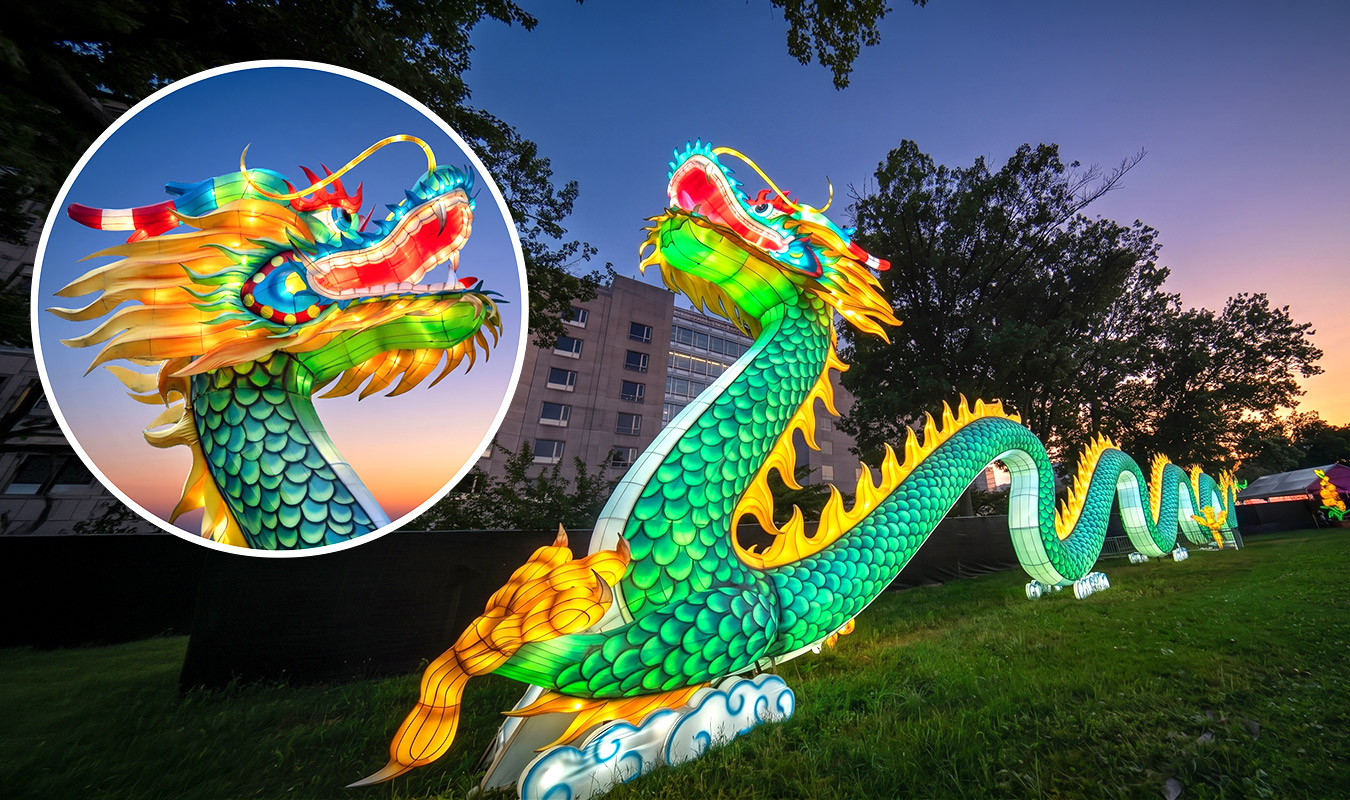
As usual at the Philadelphia Chinese Lantern Festival, a two-story-high dragon is the icon of the event. In Chinese culture, the dragon symbolizes power, wisdom, strength, and good fortune. Unlike the fire-breathing dragons of Western folklore, the Chinese dragon is a revered and benevolent creature associated with prosperity, harmony, and the life-giving forces of rain and water. (Photos: Hoag Levins)
The Ninth Annual Chinese Lantern Festival filled Franklin Square’s 7.5 acres with displays of gigantic lantern figures, illuminated tunnels, competitive games, and several other notable changes. Located directly adjacent to the city’s famed Chinatown, the Festival has traditionally offered an immersive exploration of China’s history and culture — its folklore, mythology, and complex pantheon of gods, goddesses, and immortal beings.
But over the last few seasons, the Festival company appears to have made a conscious corporate and artistic decision to redesign the event around broader themes of nature, global biodiversity, and wildlife conservation. It has shifted toward more of an “experience economy” model, replacing many of its story-driven displays with “Instagrammable” spaces that tell no story other than that of visitors posing for selfies in them.
For some visitors, including this one, the change feels unfortunate. Franklin Square sits just steps from Chinatown’s Friendship Gate, making the Festival’s shift from a rich, storytelling-driven showcase of Chinese mythology and heritage to a nature-themed photo-op corridor feel like a real loss of cultural substance. Nevertheless, it also drew large crowds.
Here’s what it looked like:
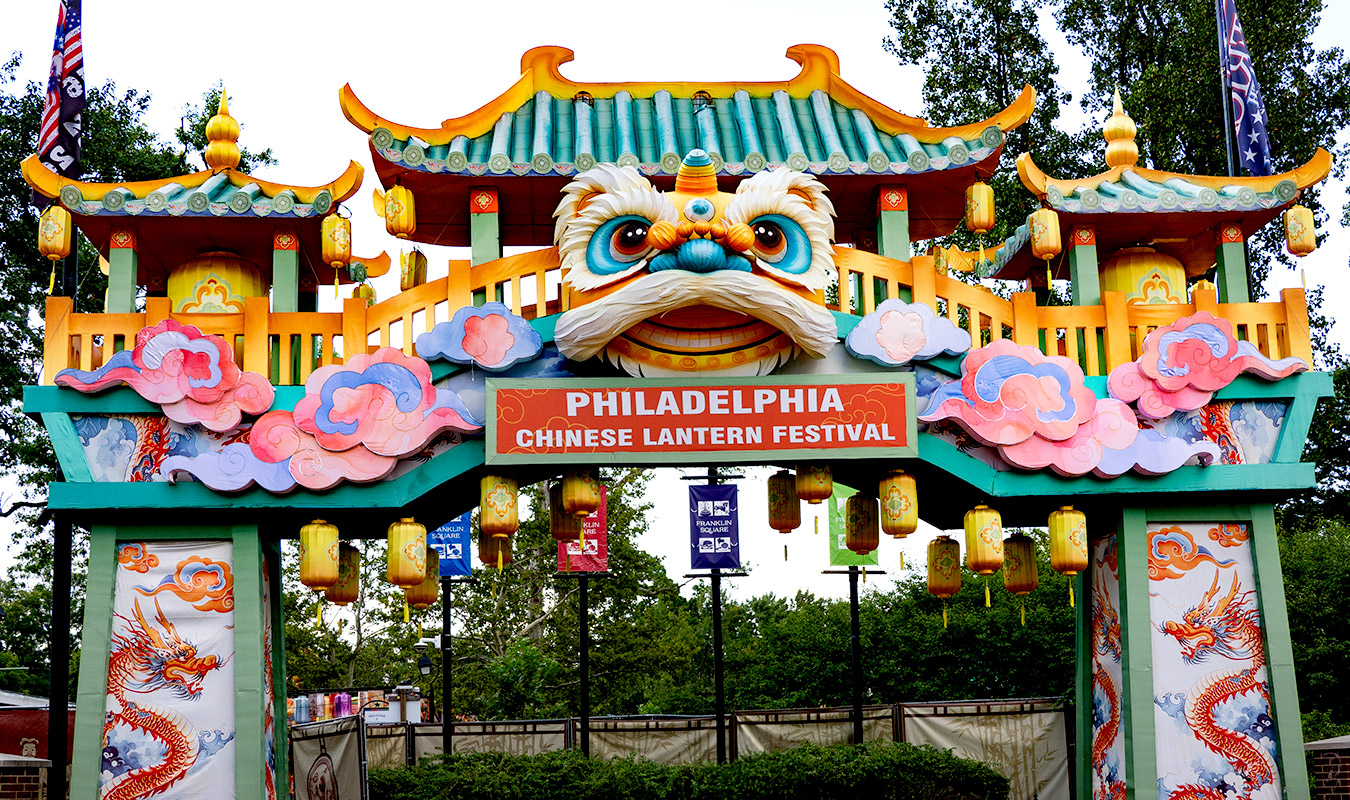
Established in 2016, the Philadelphia Chinese Lantern Festival has been produced by Tianyu Arts & Culture, the American subsidiary of a major lantern production company based in Zigong, Sichuan Province, China, the historic birthplace of Chinese lantern festivals. This year’s entry gate features the face of a Chinese Guardian Lion mask of the kind used in traditional Chinese lion dances during the Lunar New Year.
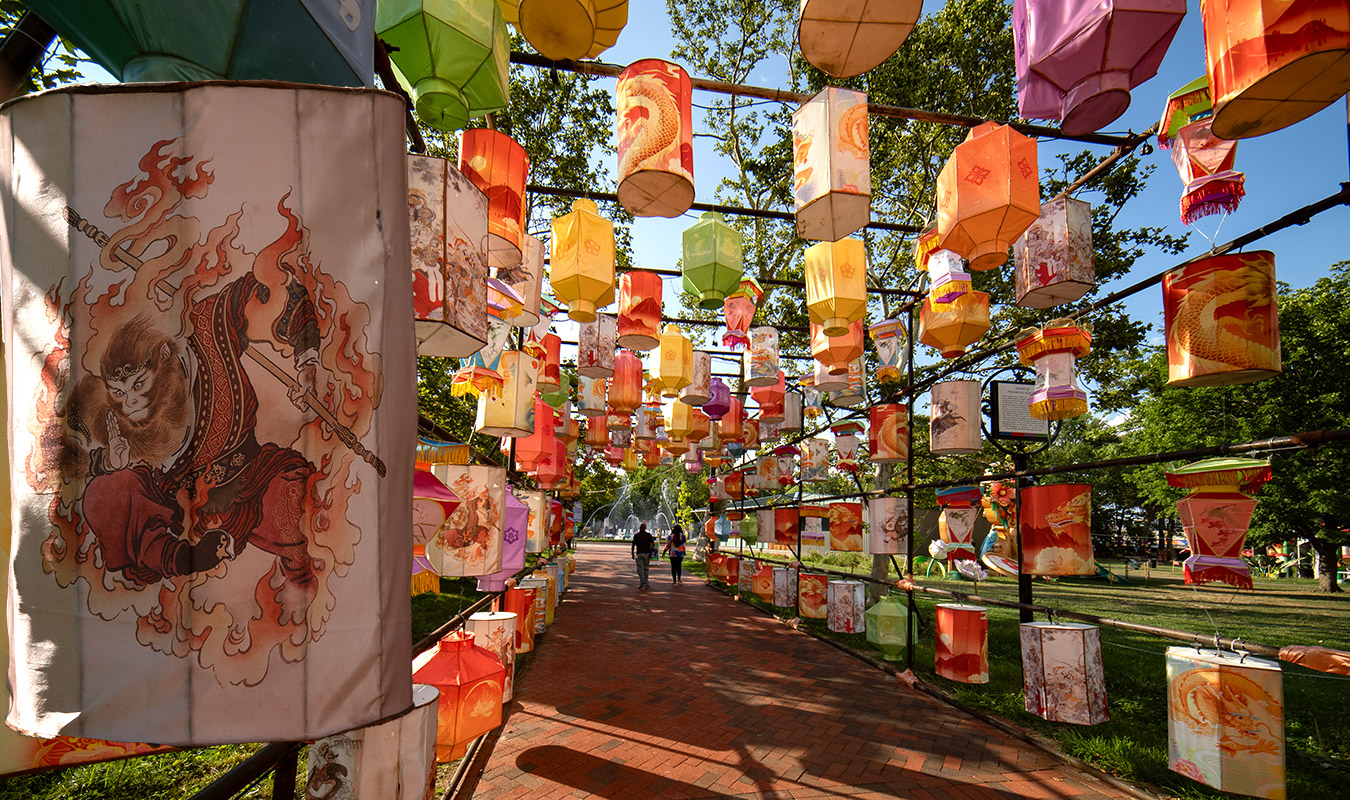
Appropriately, a tunnel of lanterns led the way into the Festival at Franklin Square. Many displays celebrated figures from Chinese folklore, including the one at left foreground depicting Sun Wukong, the Monkey King, one of the most beloved figures in Chinese mythology. The Monkey King is associated with intelligence, cleverness, and martial arts skills.
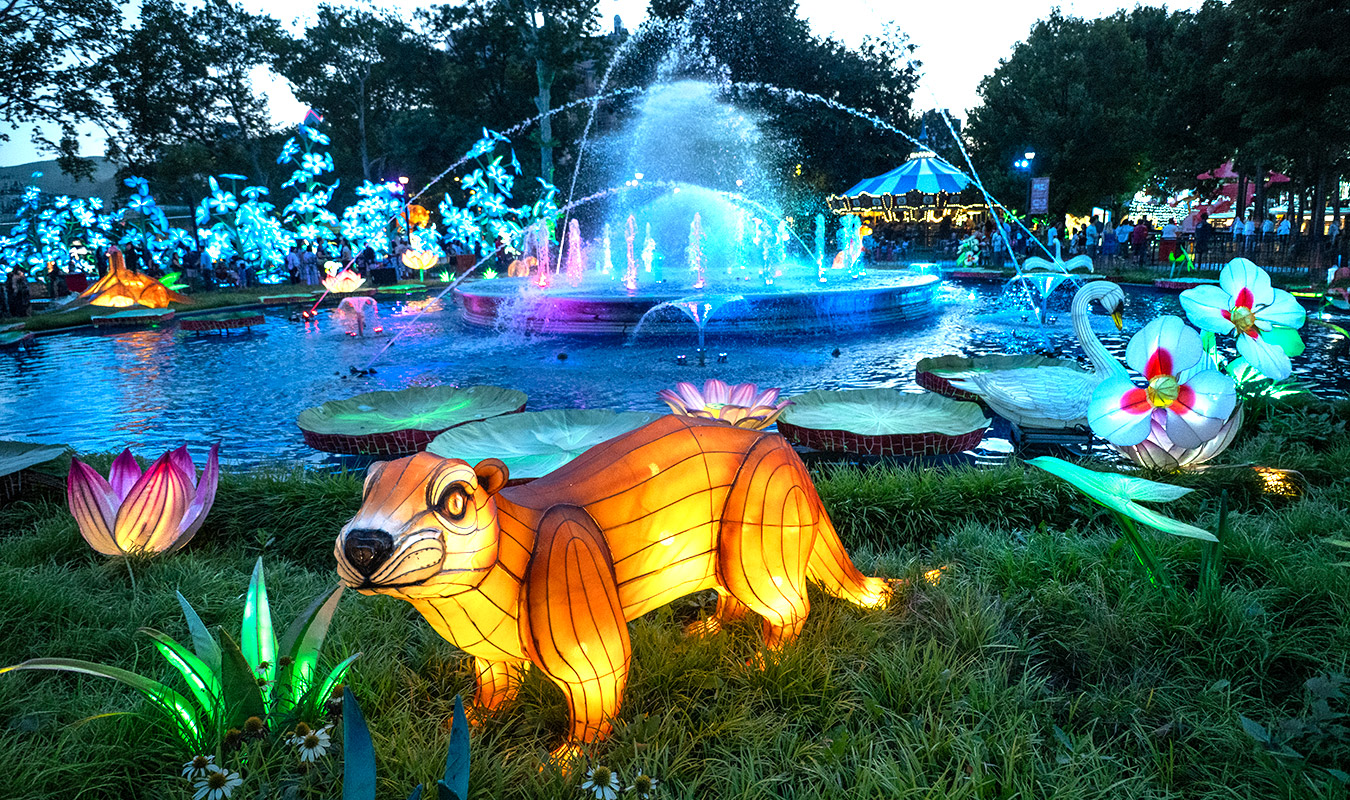
In Chinese culture, otters are admired for their intelligence, skillful fishing, and close family bonds. Traditional folklore also credits them with a surprising sense of ritual, based on the ancient belief that they arranged their catch on the riverbank as offerings before eating. Several otter lanterns appeared throughout the festival grounds.
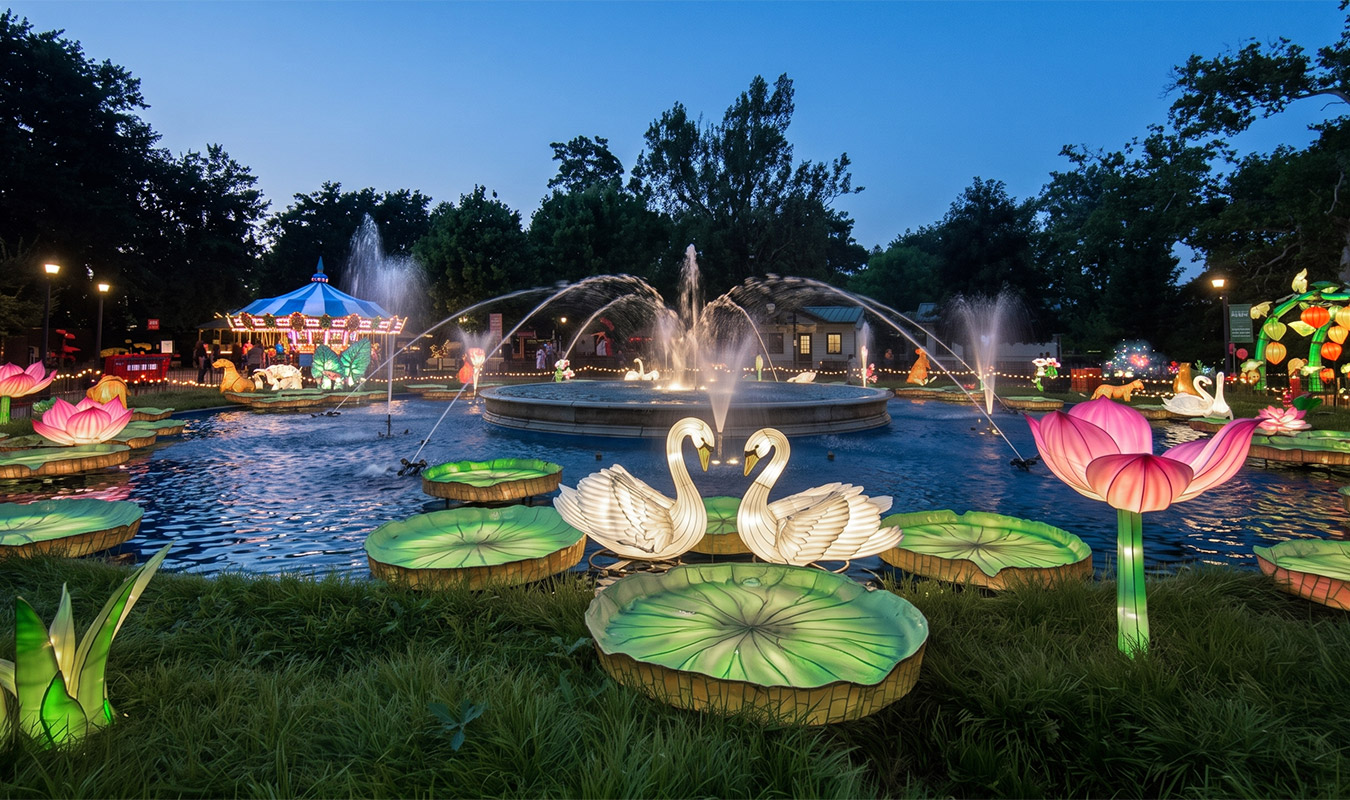
Franklin Square’s central fountain, viewed at night, showcases swans. Known in China as “heavenly geese,” swans are traditionally seen as emblems of nobility, innocence, and aesthetic beauty. In classical poetry and traditional visual arts, the image of a swan gliding across clear water symbolizes an untainted spirit or a pure heart untouched by corruption.
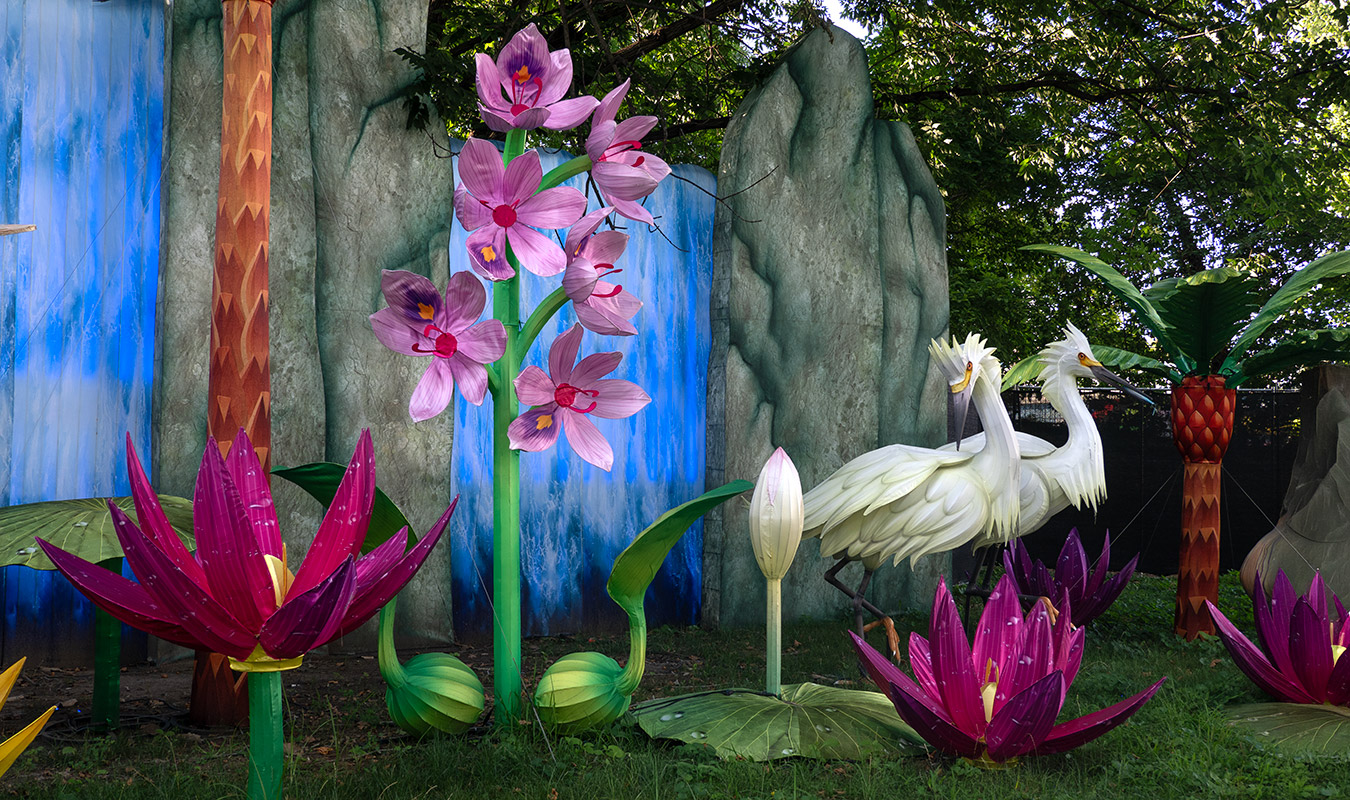
This scene references egrets, whose Chinese name sounds identical to two other Chinese words meaning “journey” and “status.” The wordplay often associates the birds with a person’s journey through life or career. Historically, court officials wore robes depicting egrets to symbolize clean governance and personal purity.
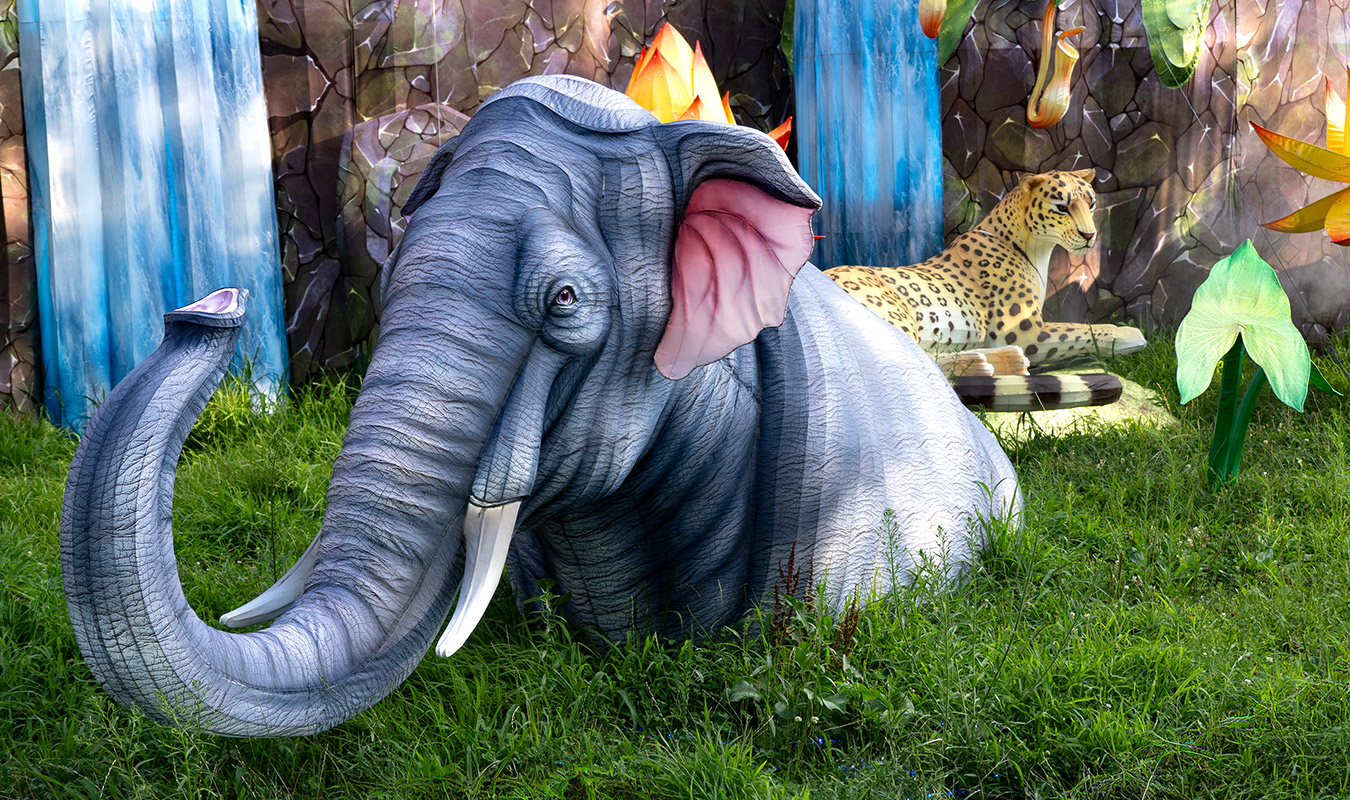
These elephant and leopard lantern figures are part of a larger display of wildlife from Southeast Asia.
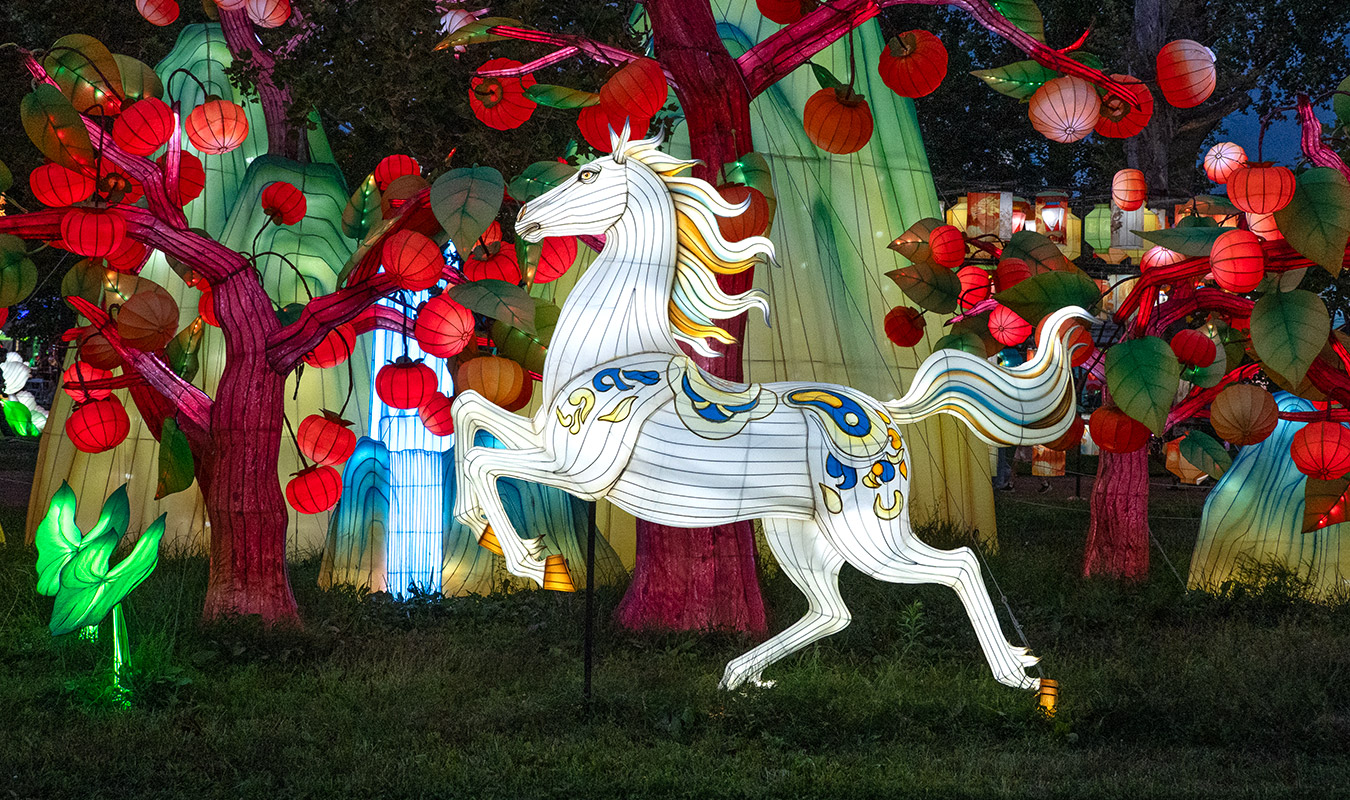
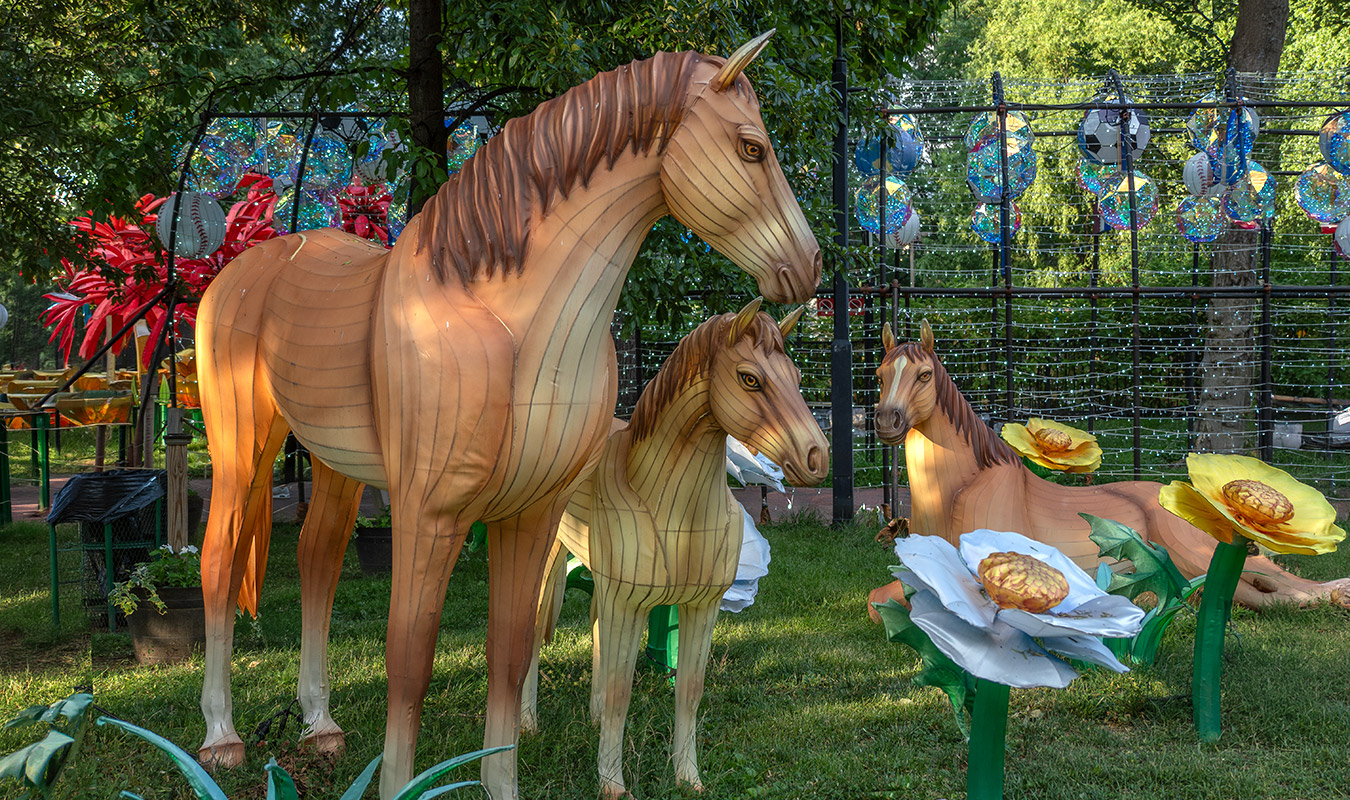
Given that 2026 is the Year of the Horse in the Chinese Zodiac, it’s not surprising that a number of horse-shaped lanterns were on display. The horse symbolizes strength, energy, freedom, and perseverance. People born in the Year of the Horse are traditionally believed to be intelligent, independent, hardworking, and adventurous.
The horse was one of the most consequential animals in Chinese history. It was a strategic asset that shaped China’s military, diplomacy, trade, and territorial expansion. Mounted soldiers gave Chinese armies the speed and mobility needed to defend against — and eventually defeat — nomadic horsemen from the northern steppes.
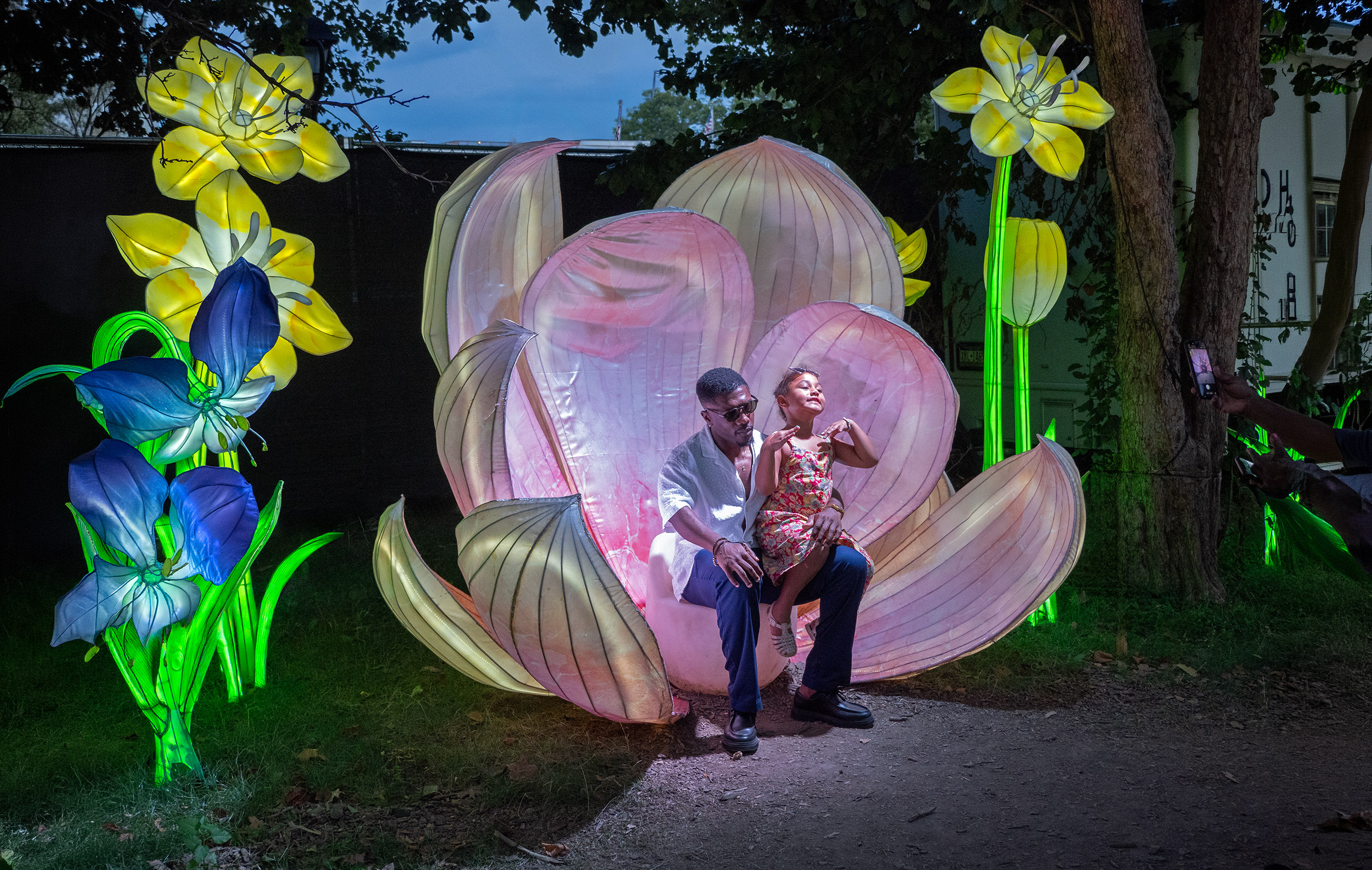
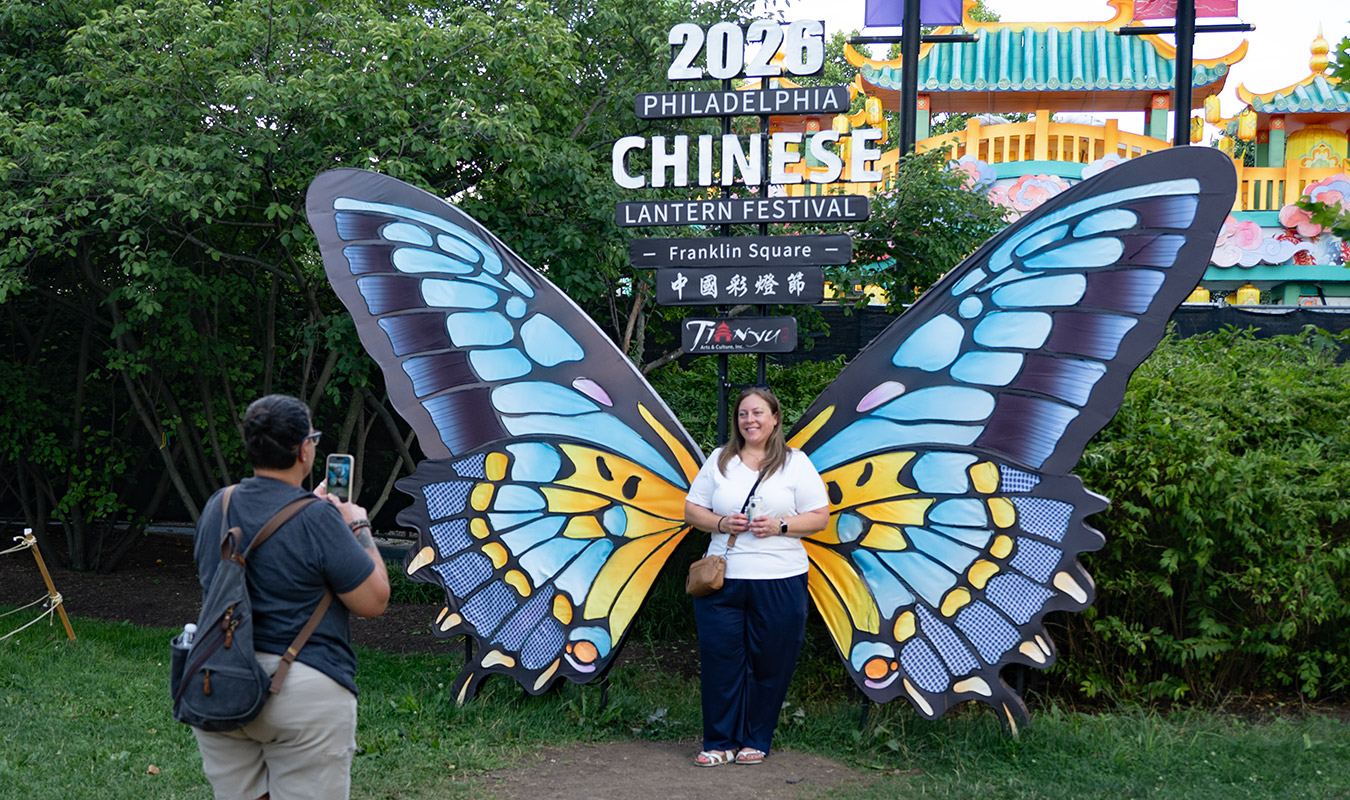
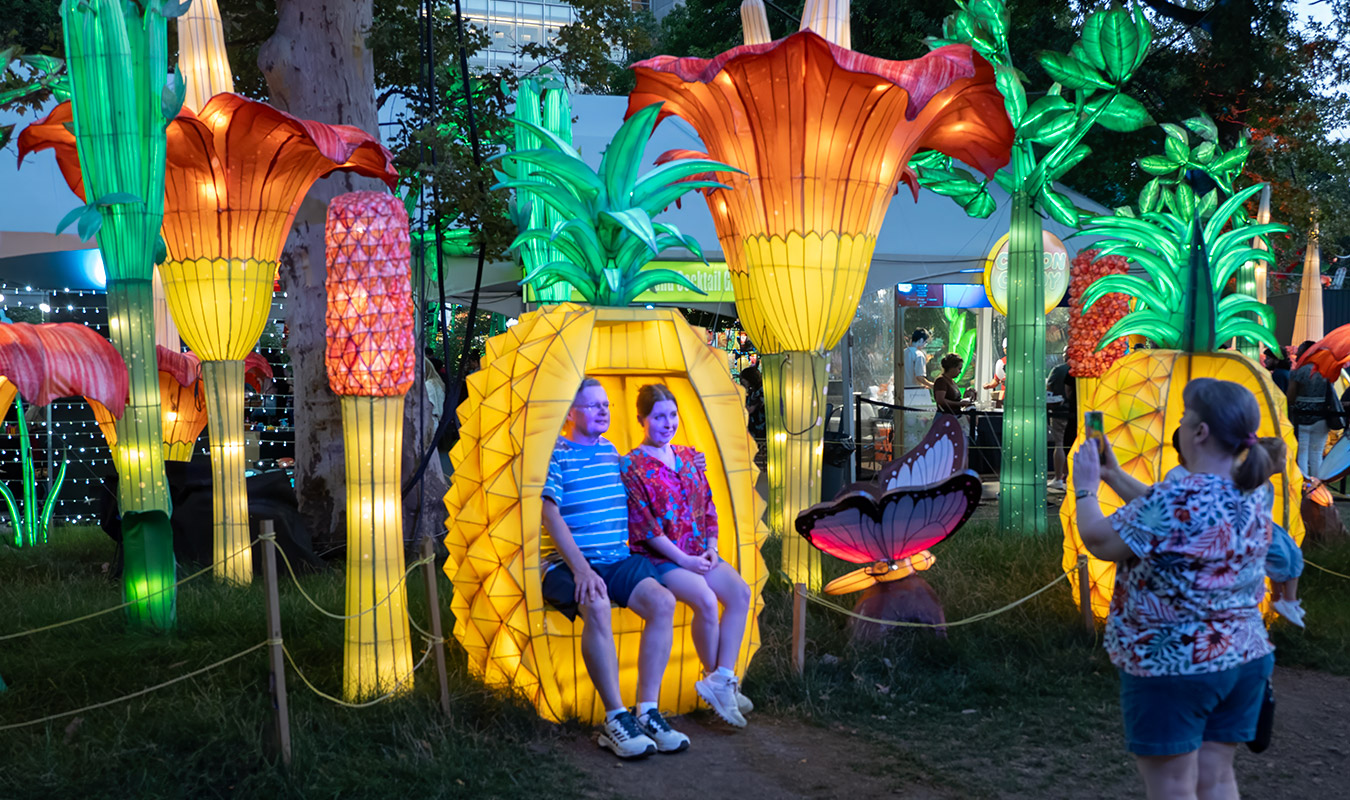
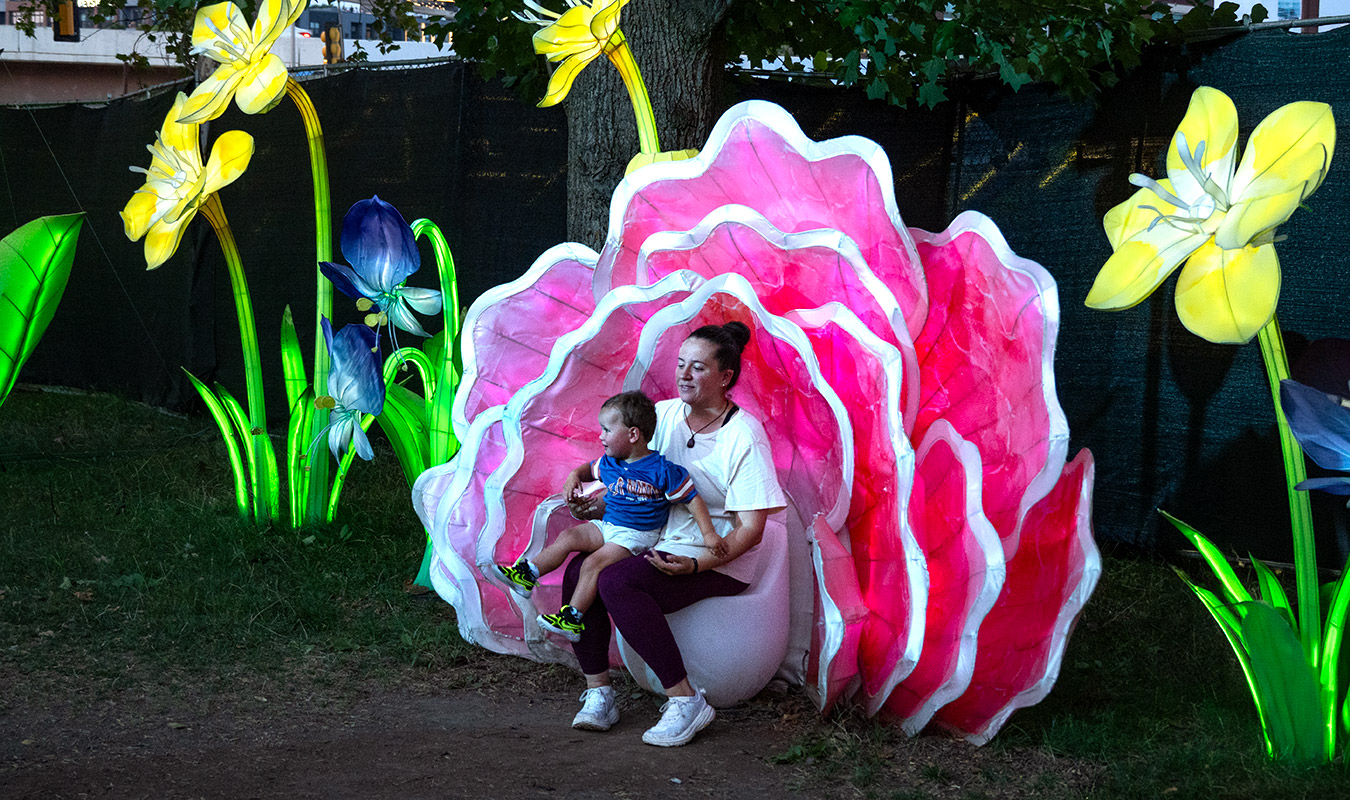
Along with adopting a less intensive approach to Chinese culture and mythology, the Festival has dramatically expanded its use of “Instagrammable” displays. Producers have heavily re-engineered the event to maximize selfie spots that convey little beyond opportunities for social media photography.
And the strategy worked. It drew crowds of people to selfie spots throughout the grounds, where they waited their turn to jump into the scene while companions clicked away with their phone cameras. The Festival’s prioritization of social media shareability generates organic posts that now serve as free marketing to drive ticket sales.
More selfie spots.
More selfie spots.
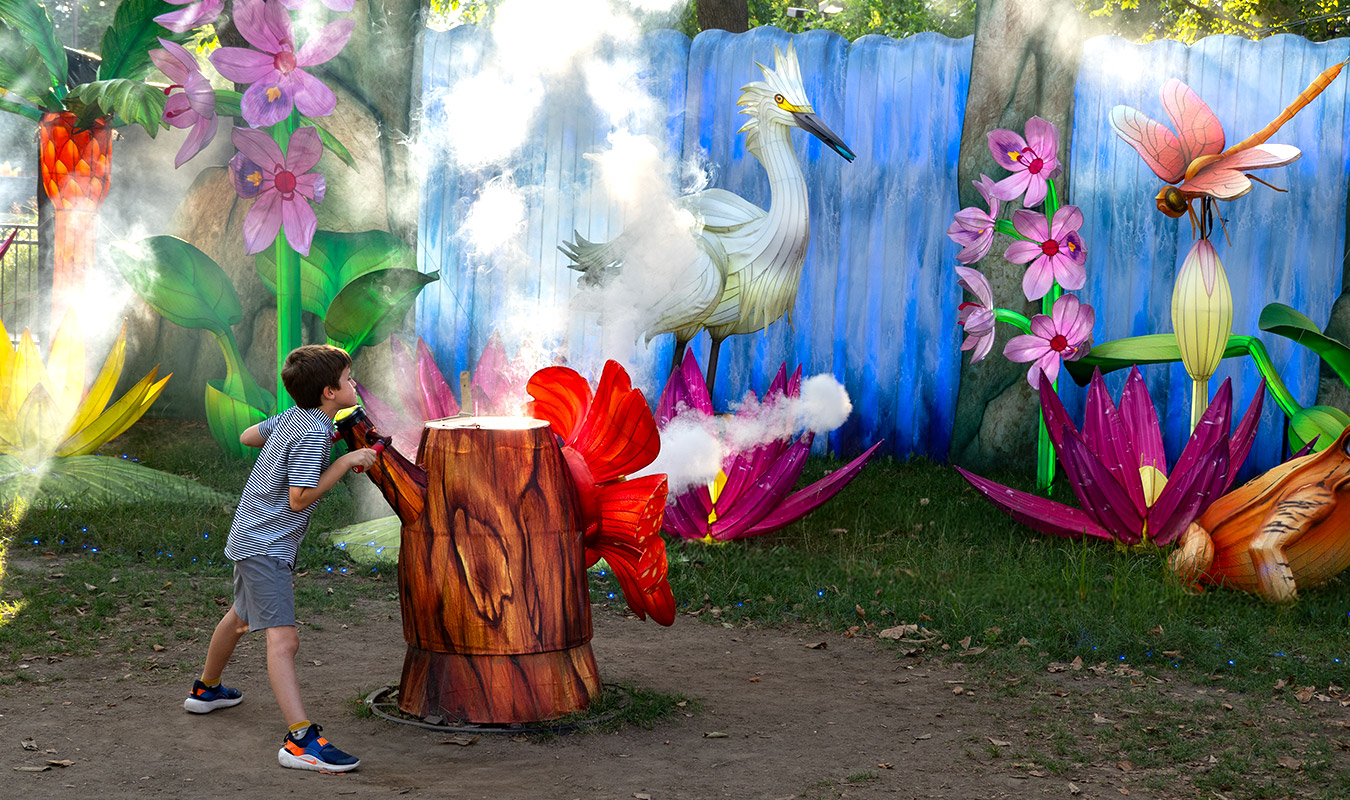
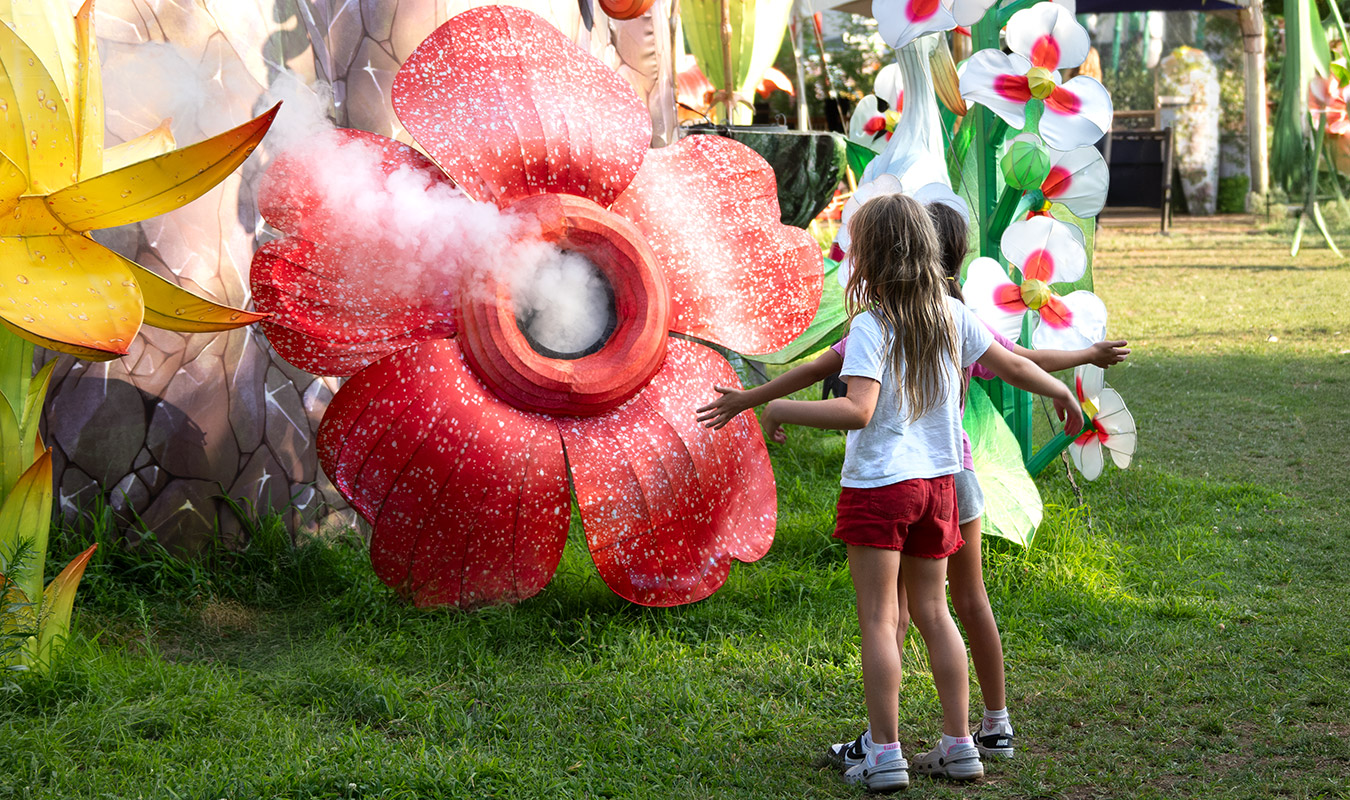
Several experiences around the grounds featured smoke cannons that visitors could aim and trigger either at a nearby display or at each other. The smoke appeared to be a cool, water-based mist.
The smoke effects appeared to be part of the Festival’s ongoing evolution from an immersion in Chinese culture toward broader entertainment, swapping complex historical pageantry for theme-park gimmickry.
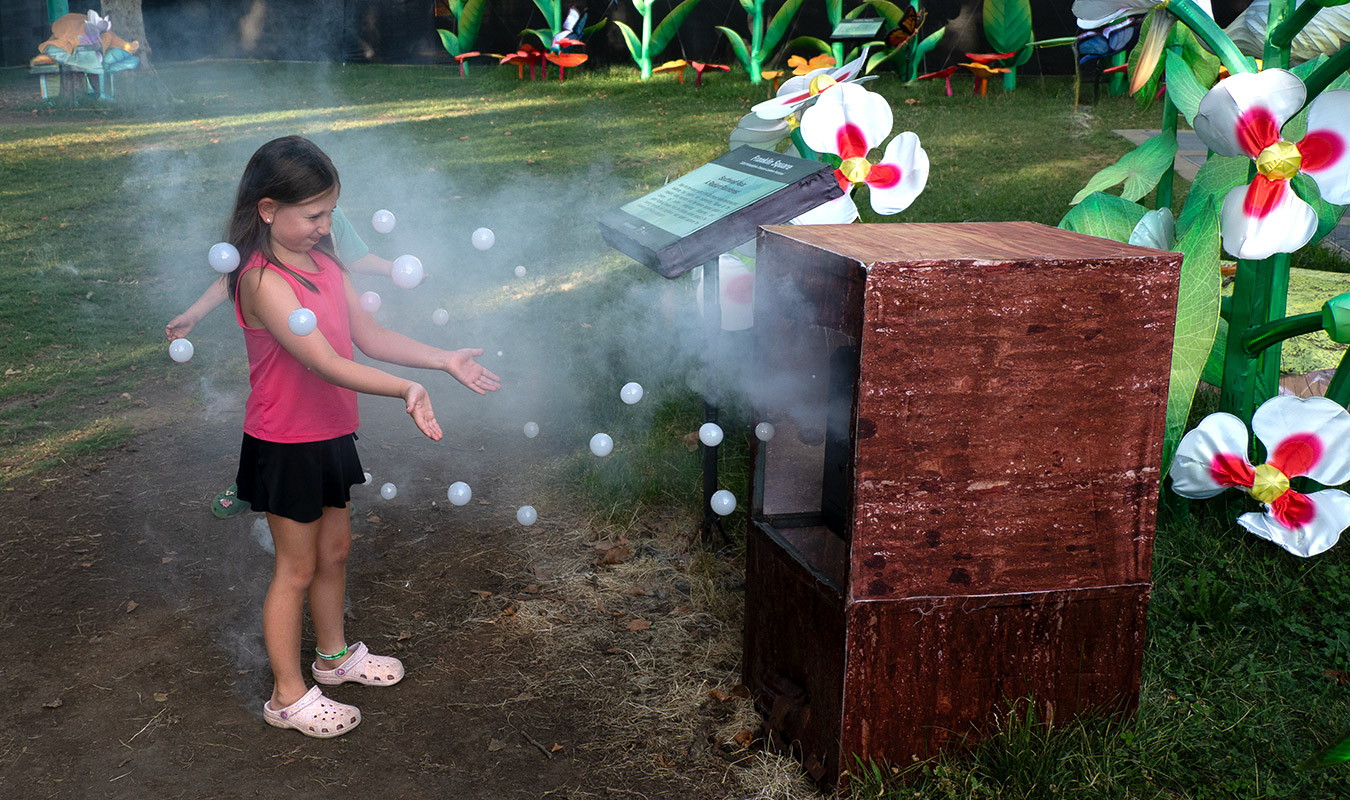
Another type of smoke machine generated bubbles that enveloped younger visitors in a fog of fun.
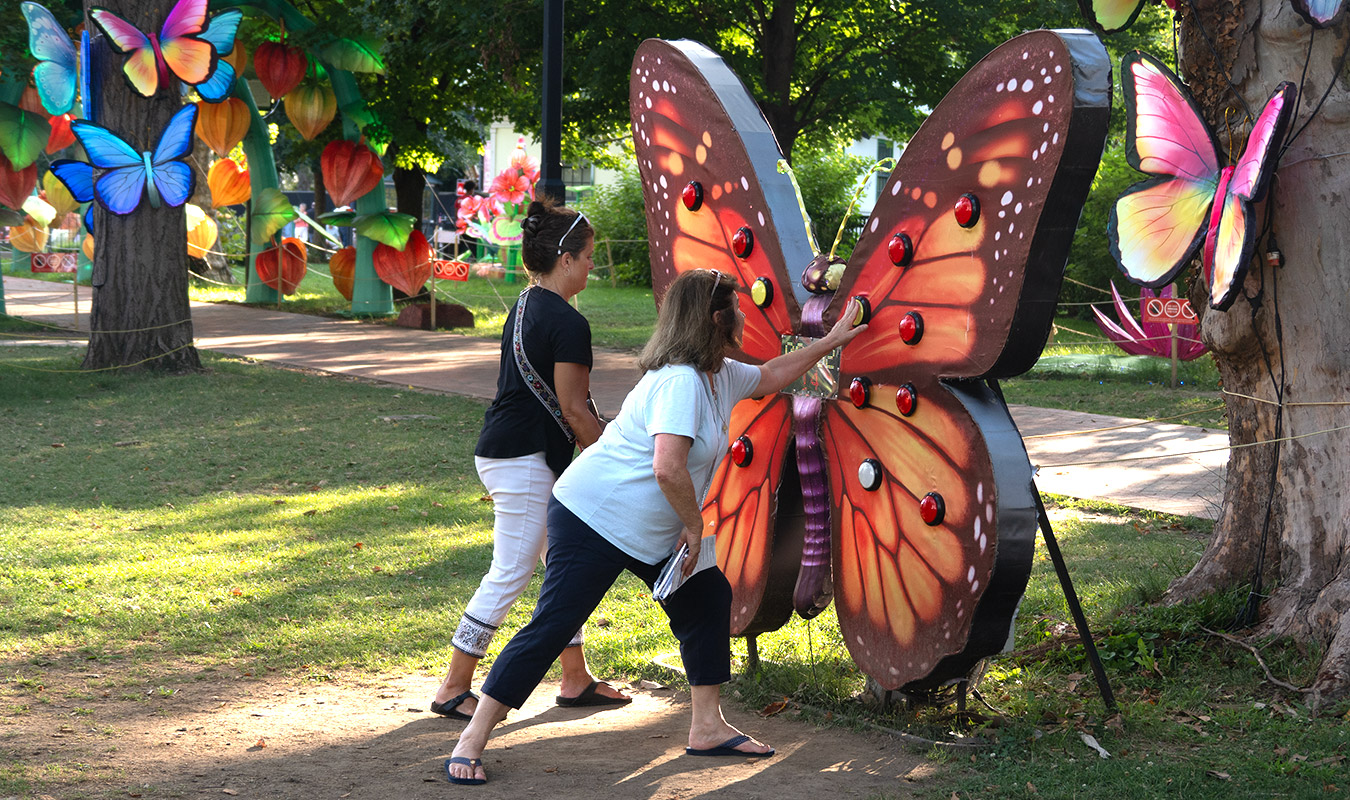
The theme-park approach also was evident in the gamified displays throughout the grounds. Here, visitors at the butterfly display competed to score the most points.
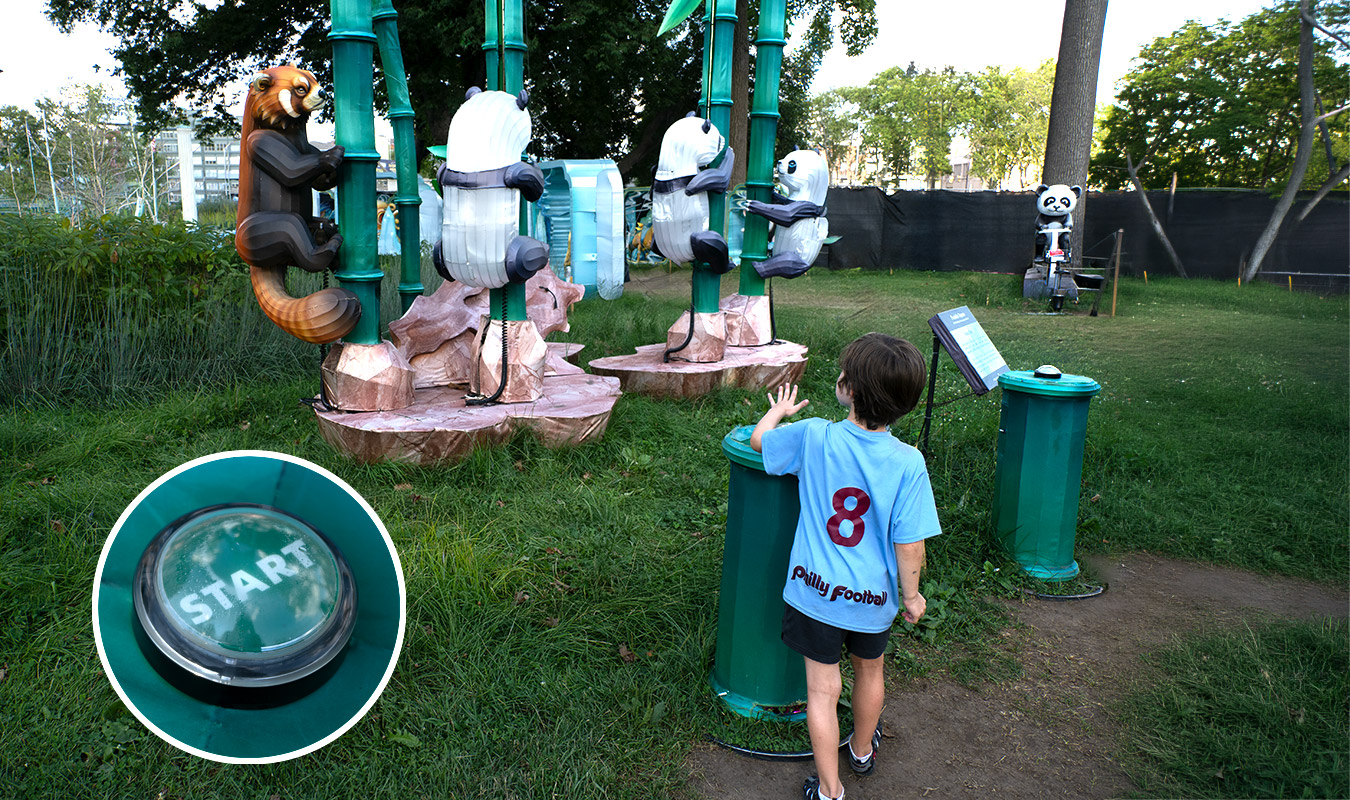
At a panda exhibit, visitors could use a kiosk button to race pandas up bamboo shoots. The faster participants repeatedly pressed the button, the faster one of the three pandas climbed. Up to three people could compete at once.
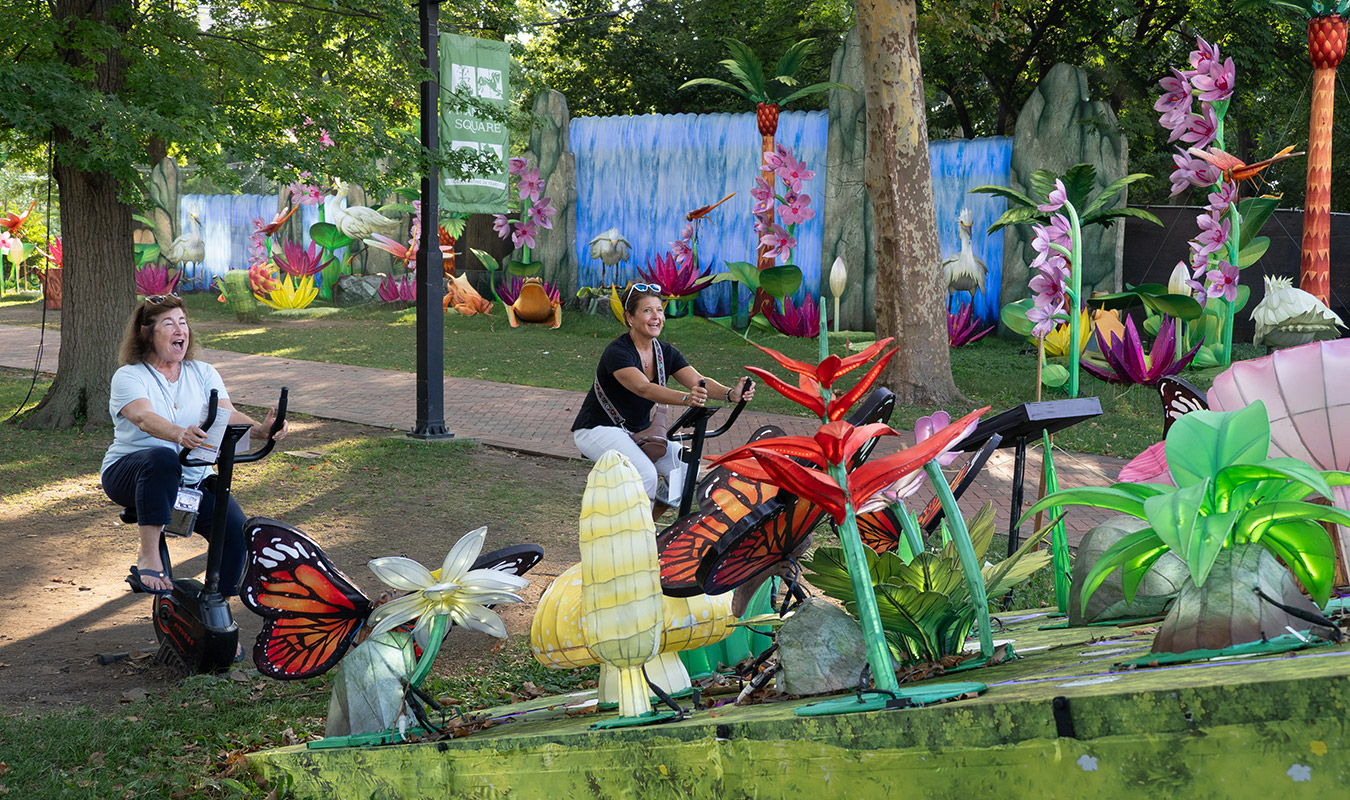
At the Flower Race display, two competitors pedaled to make lights flicker, butterflies flap their wings, and flowers bloom.
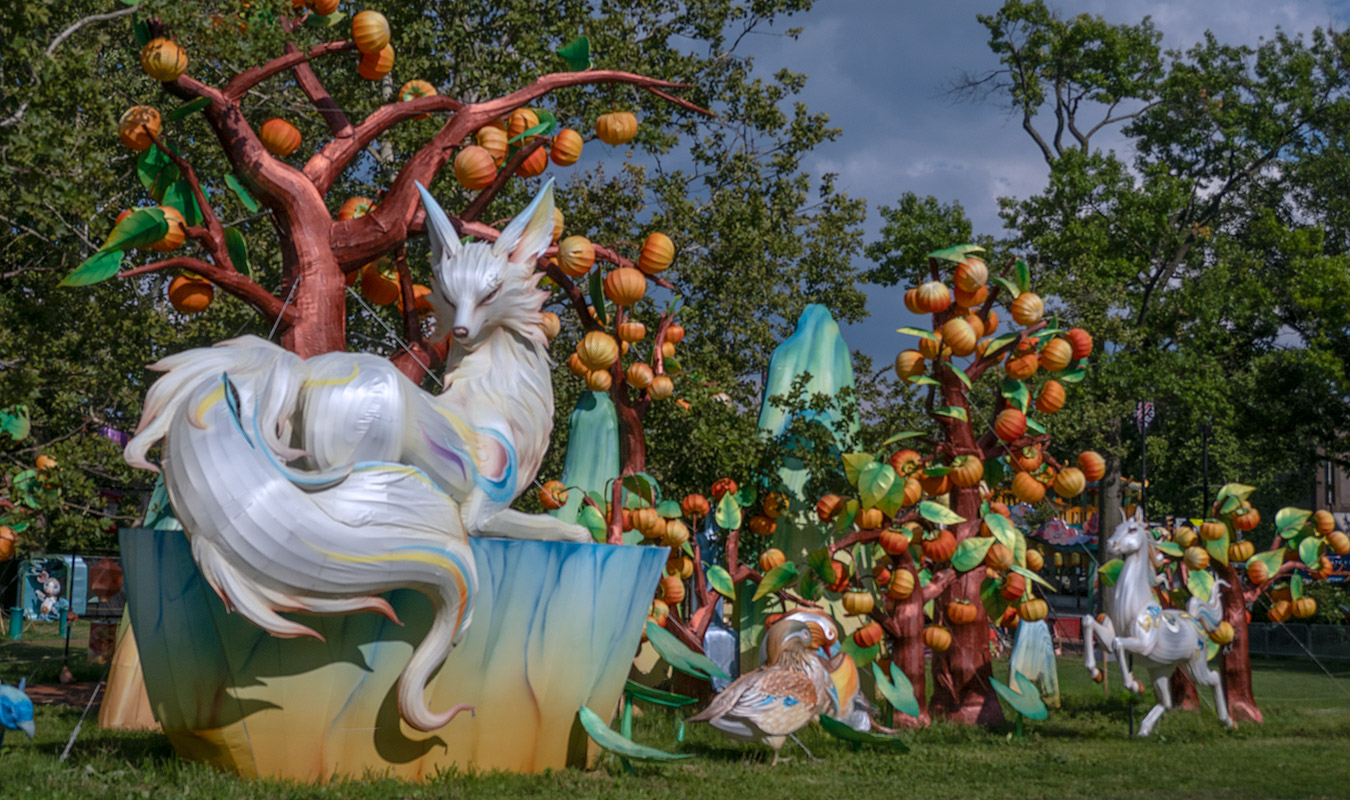
Other displays were filled with Chinese cultural meaning that was not obvious to passersby. Here, a small sign mentioned only the “graceful fox,” rather than the Nine-Tailed Fox, one of China’s most famous mythical creatures. Early legends portrayed it as a symbol of peace and prosperity, while later folklore transformed it into a powerful shape-shifting fox spirit known for its intelligence, magic, and ability to assume human form.
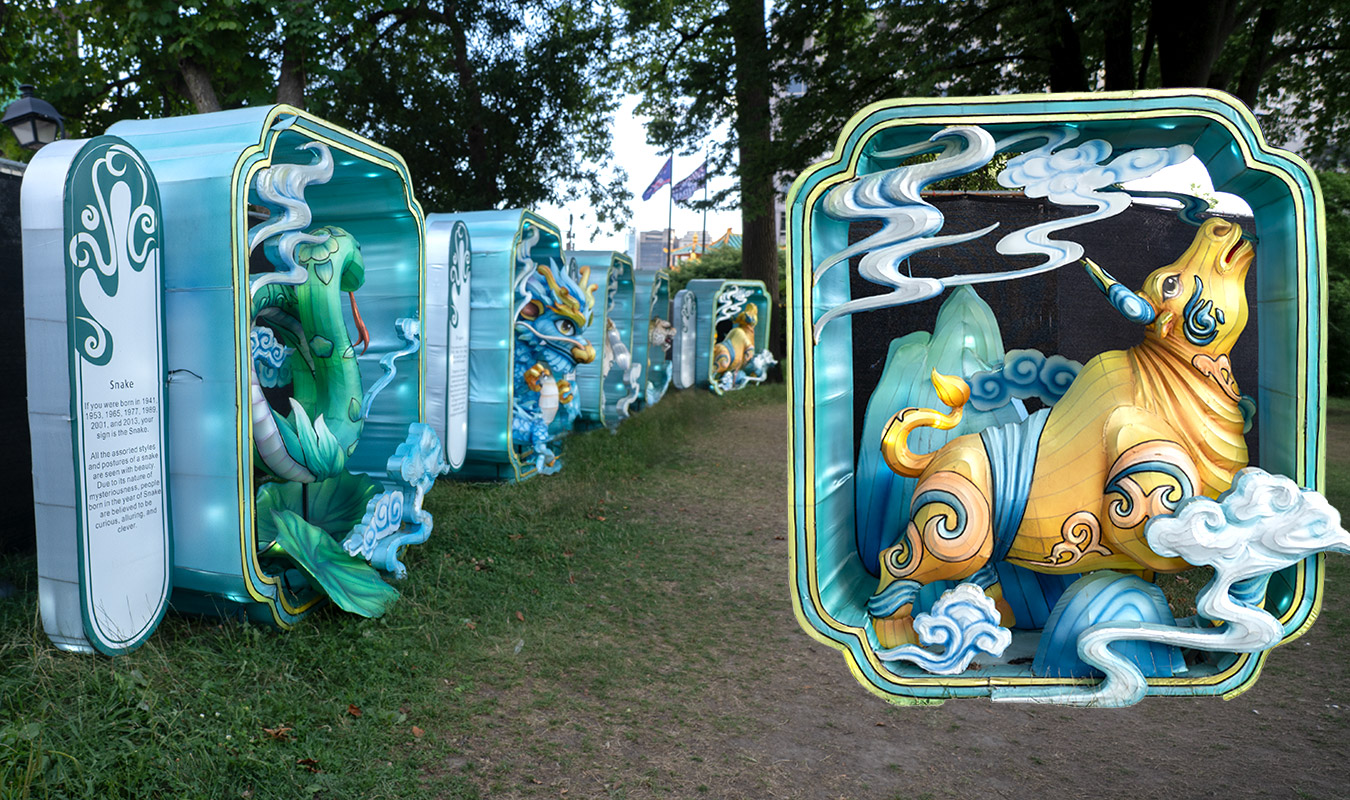
One festival area featured a gallery of Chinese Zodiac figures. Unlike the Western zodiac, which is based on the month of birth, the Chinese zodiac is based on the year of birth. The cycle has been used for more than 2,000 years to mark time, guide astrology, and symbolize personality traits. The Ox, for instance, symbolizes physical power, endurance, and patience in difficult tasks.
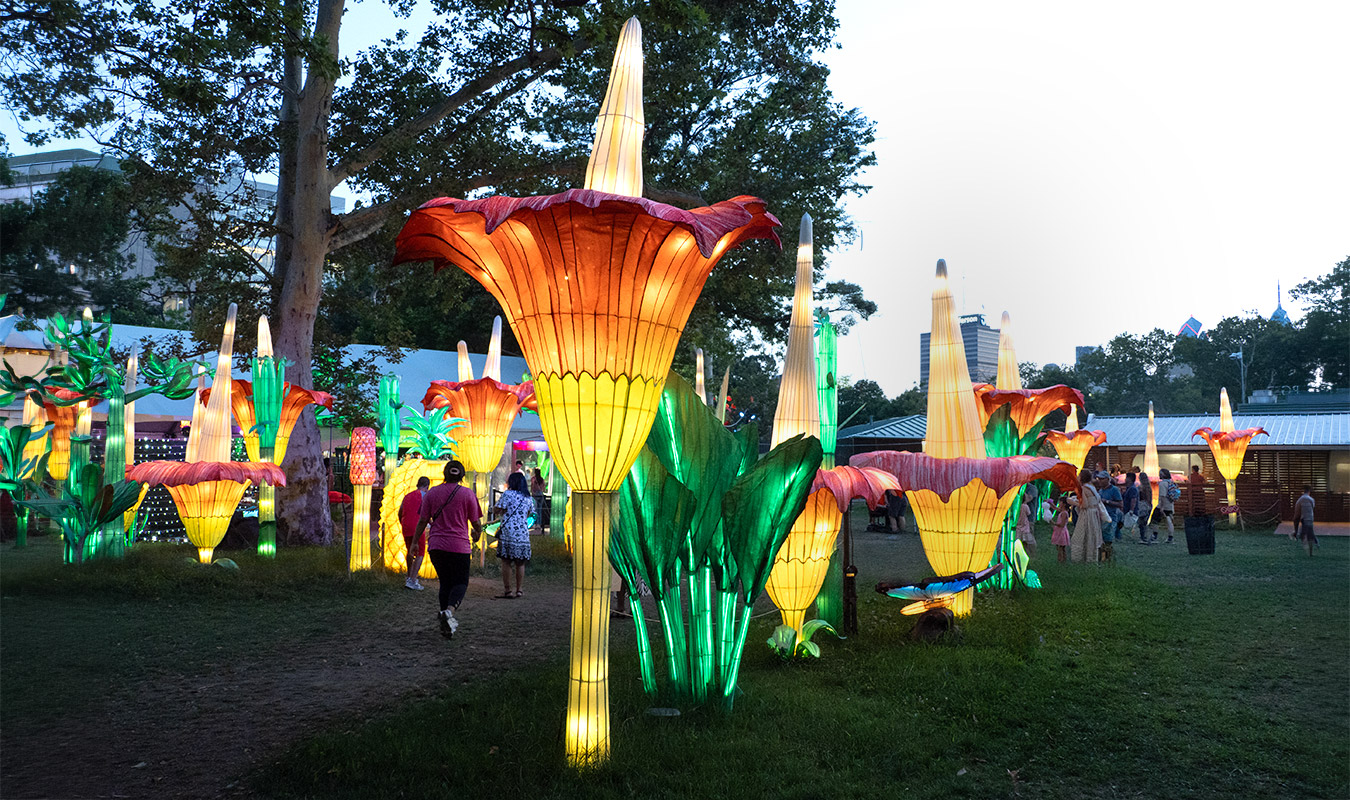
There were many lanterns shaped like the extraordinary titan arum plant, found only in the rainforests of Sumatra, Indonesia. Also known as the “corpse flower,” it is essentially an attention-grabbing botanical centerpiece with no strong connection to China. It grows to more than 10 feet tall, may take about 10 years to bloom, and emits an odor resembling rotting meat. It’s the botanical world’s horror show.
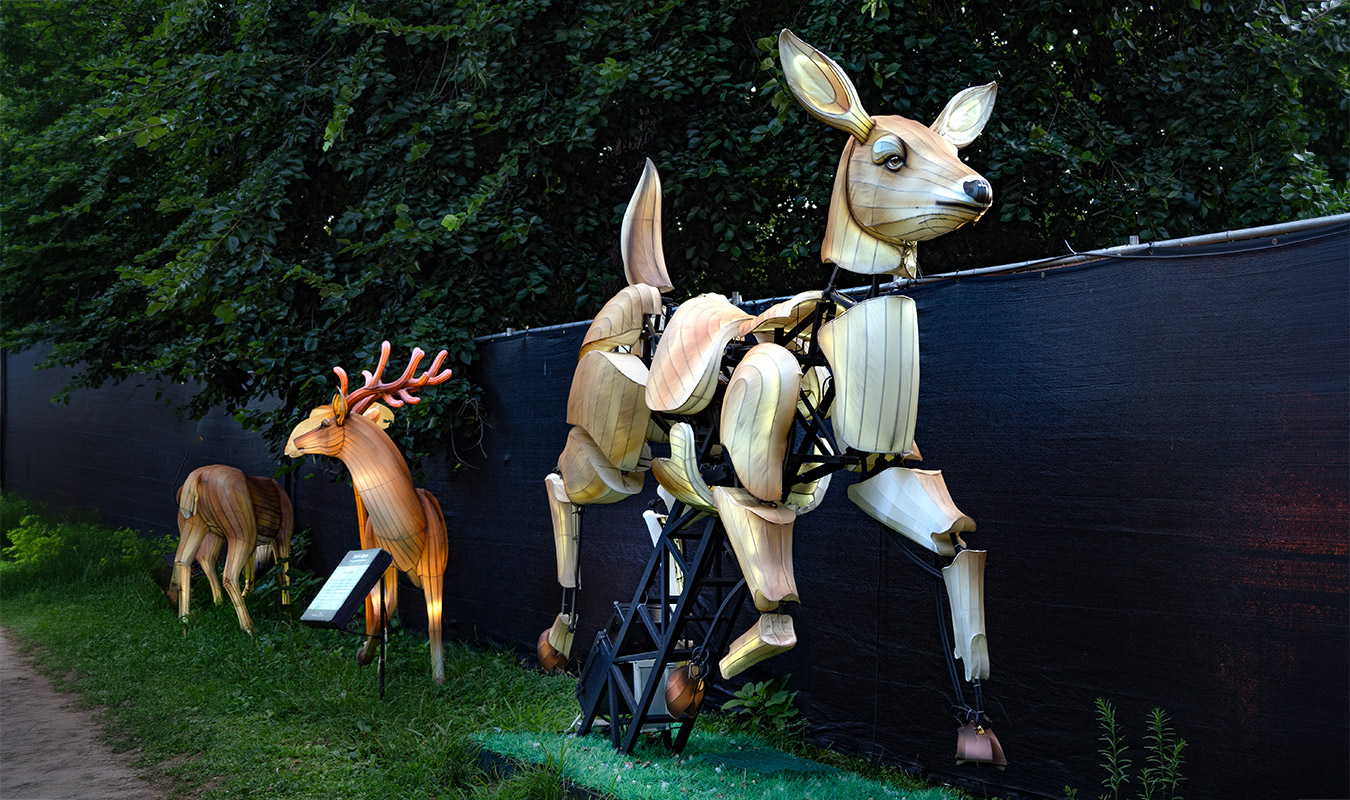
When visitors stepped on a plate in front of this robot lantern shaped like a deer, its body sections expanded to reveal the internal mechanical workings. As the animal went through running motions, visitors could watch the gears and levers at work.
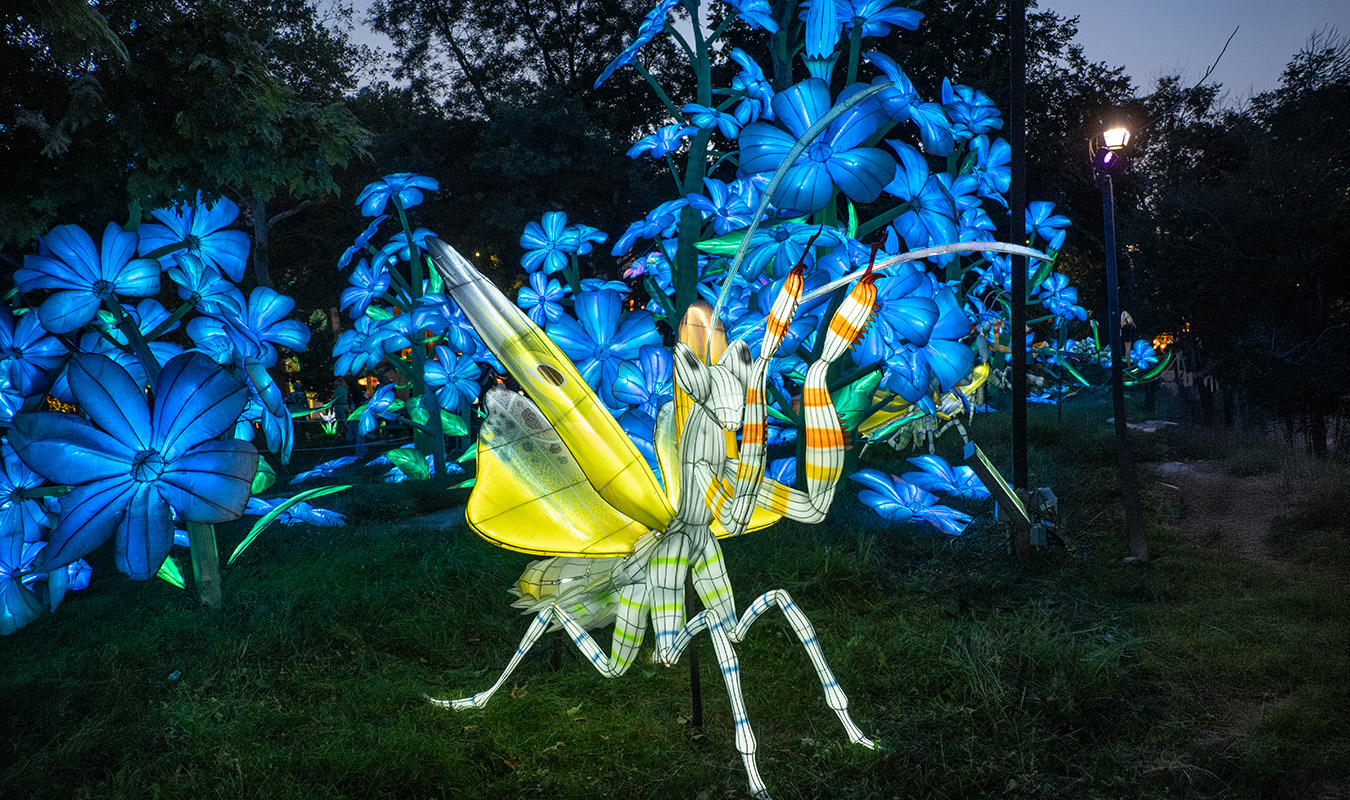
Insect lantern figures played a role in several displays. This praying mantis was the size of a bicycle.
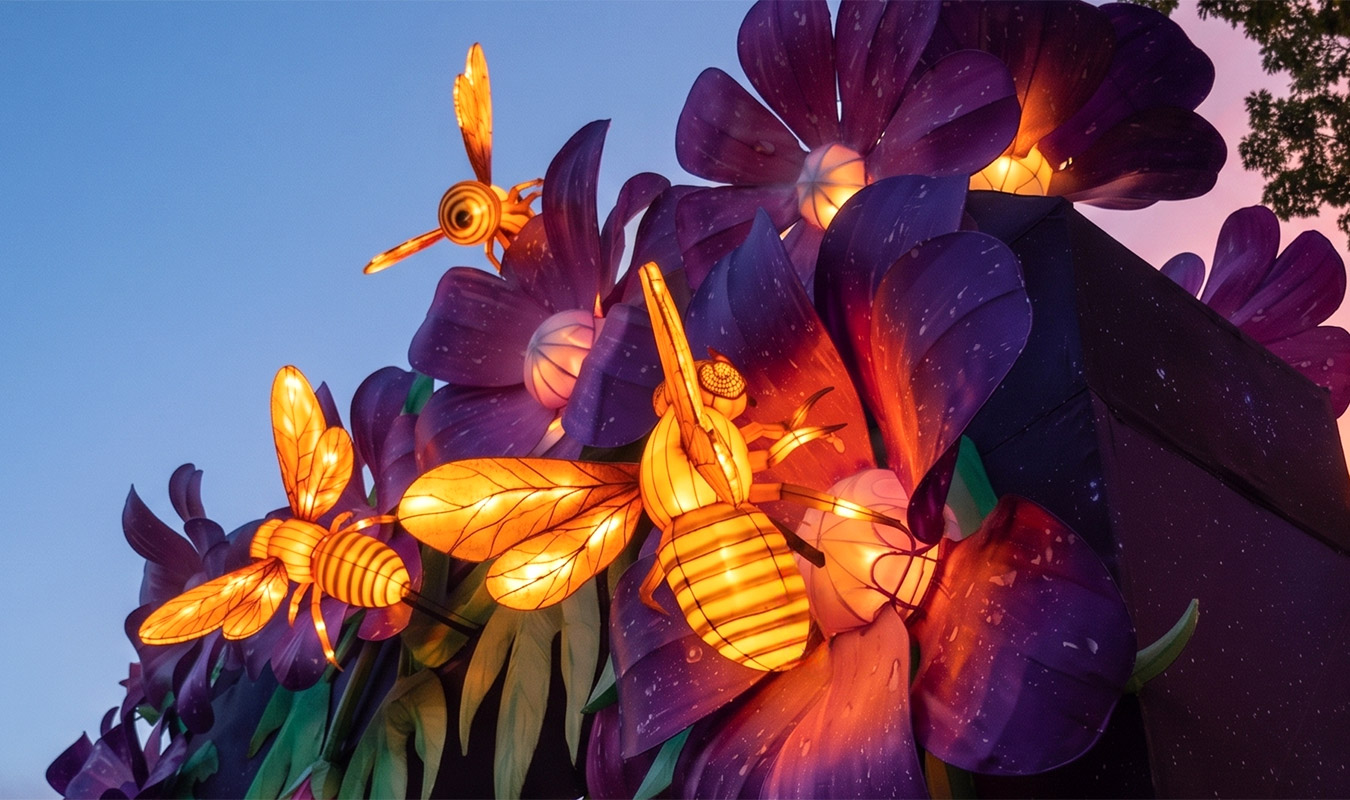
These bee lanterns, each as large as a turkey, cling to purple Pericallis × hybrida flowers. In Chinese culture, purple traditionally is associated with nobility, elegance, and spiritual significance.
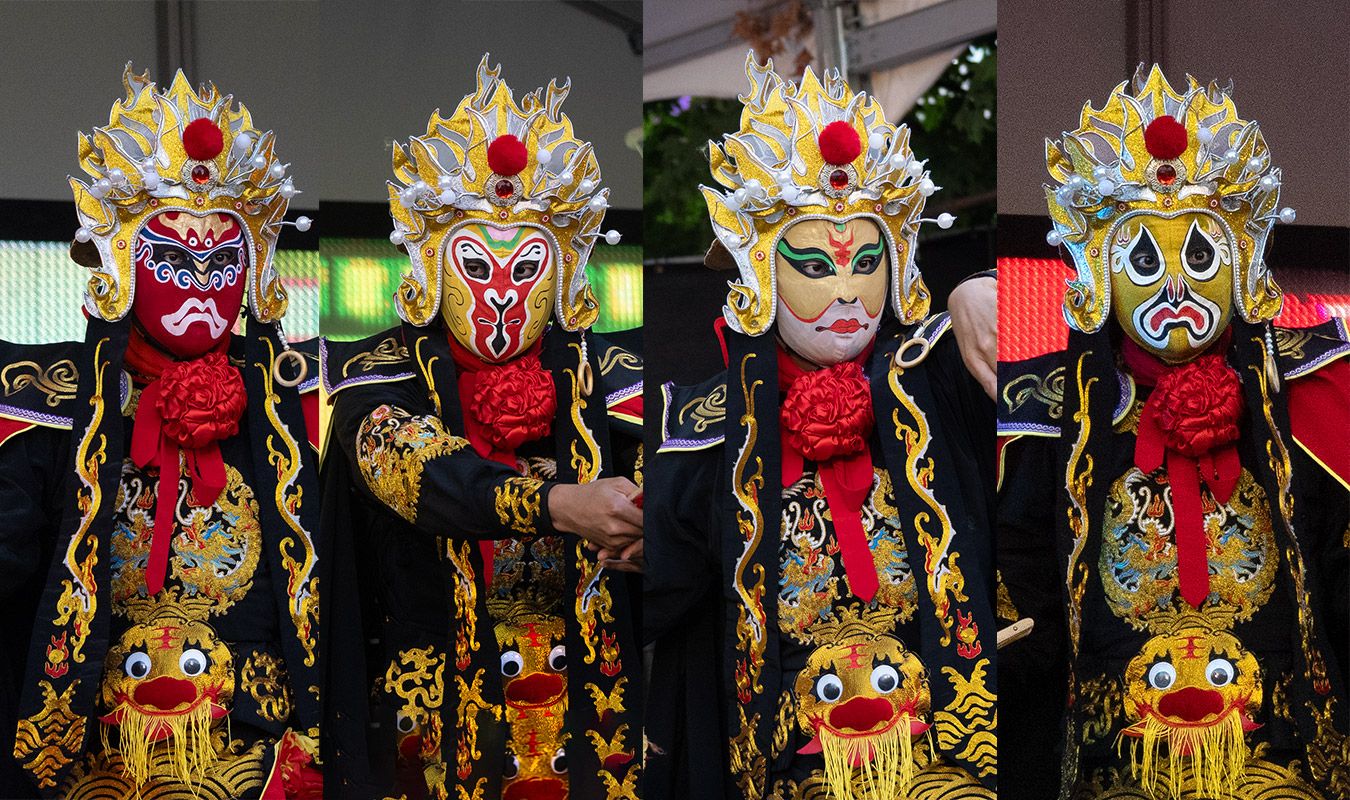
The Festival features nightly performances of traditional Chinese folk arts that have been performed for centuries in villages across China. The signature favorite is Face-Changing. Rooted in traditional Sichuan opera, the performer wears vivid silk robes and headgear while changing full-face masks instantly with the flick of a fan or whip of the head.
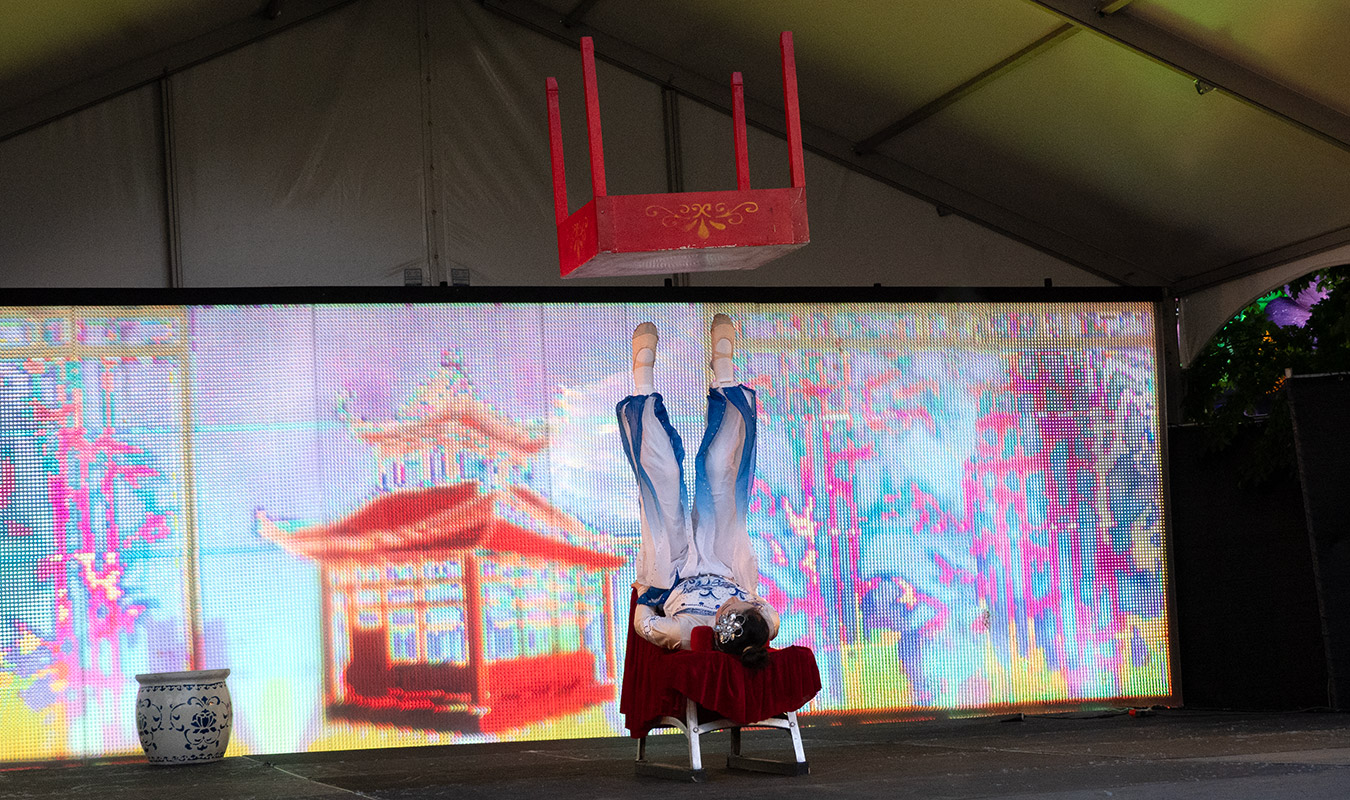
Before the modern era, itinerant folk artists used common household items to create entertaining performances, including juggling a table with their feet. This acrobat spun, tossed, flipped, and caught a full-sized wooden table using only her feet.
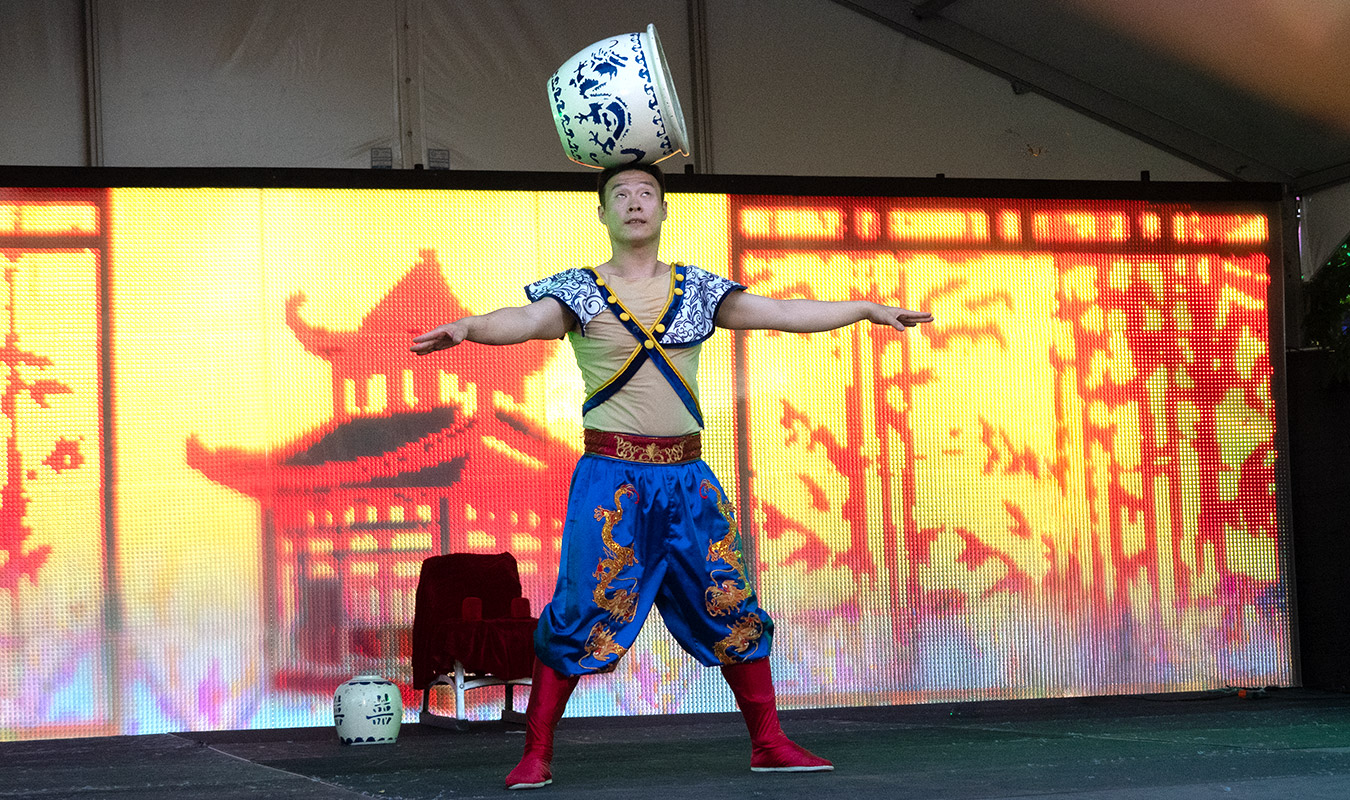
Another performer balanced heavy porcelain jars on his head and forehead, often tossing them upward and catching them between his head and shoulder, demonstrating extraordinary focus and neck strength.
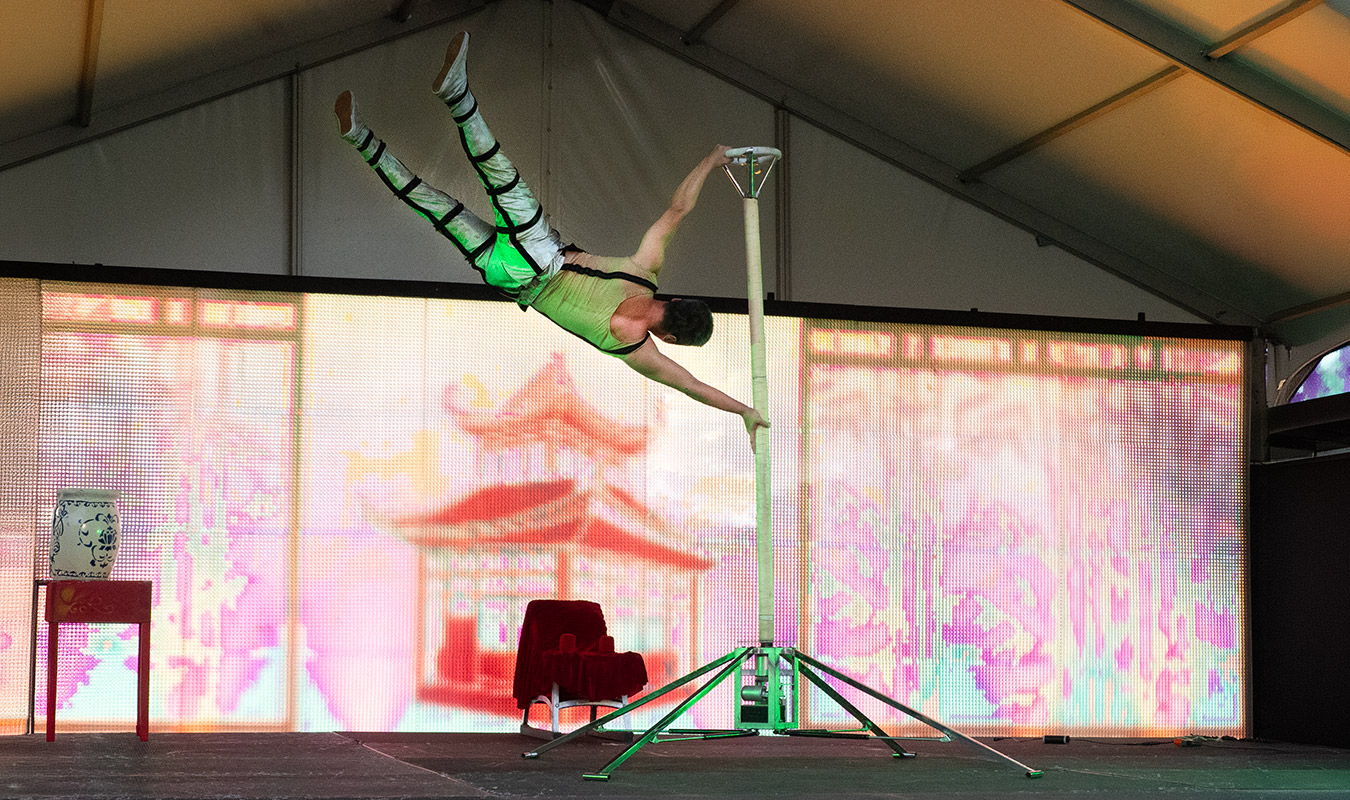
Called “Spacewalking Acrobatics,” this performer worked on a motor-driven rotating pole while assuming a series of seemingly impossible positions that created the illusion of effortless floating in zero gravity.
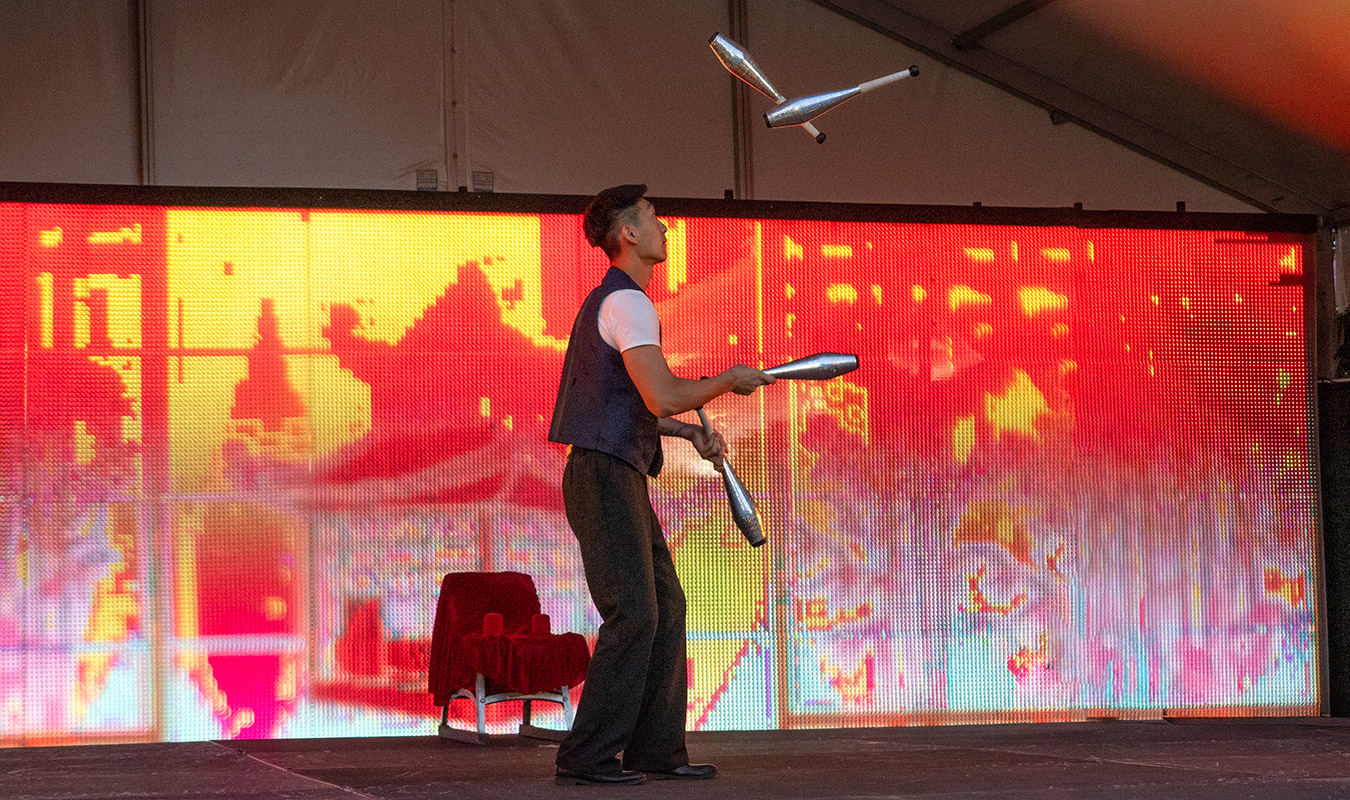
Two other performers presented high-speed rhythmic juggling routines using both hats and large steel pins.
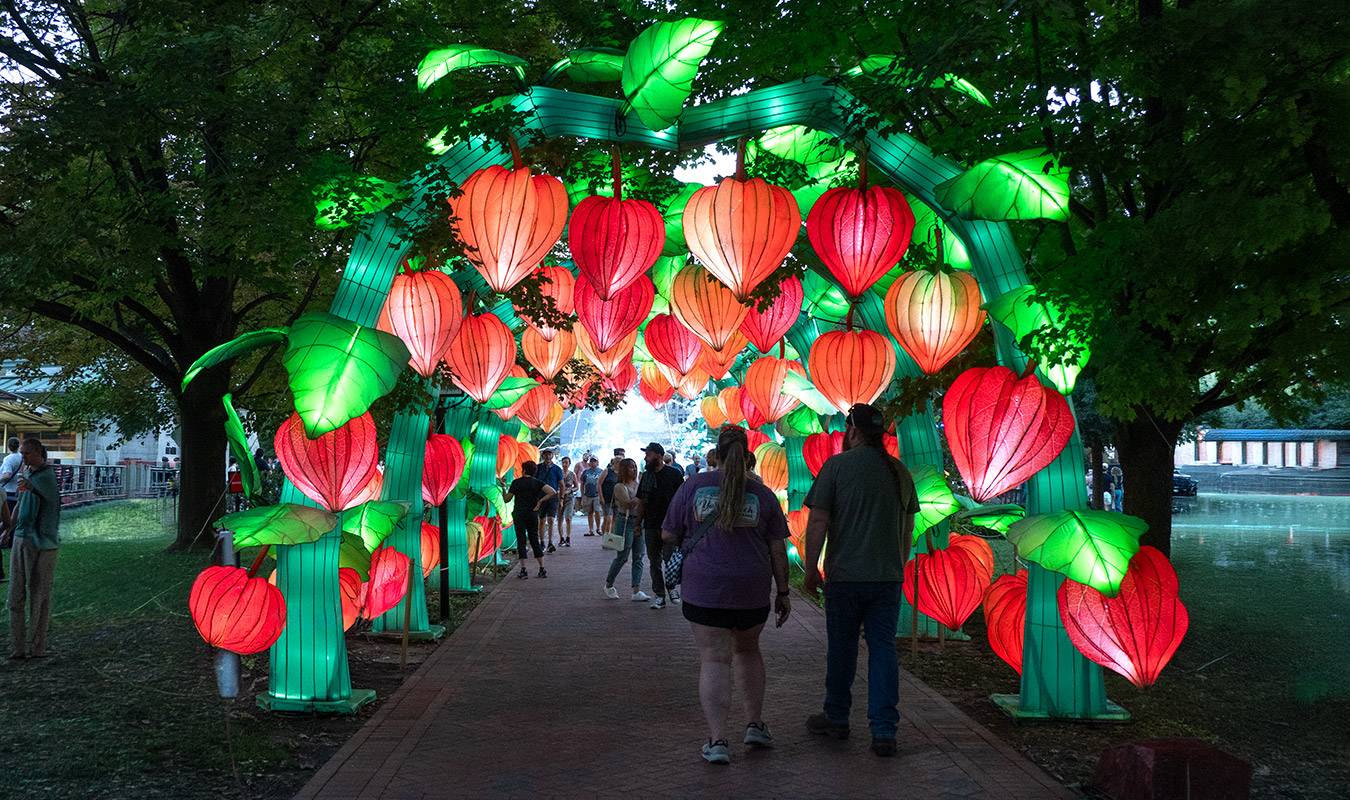
One of the gates used to enter and exit the venue consisted of colorful lanterns fashioned after the Physalis alkekengi plant, also known as the “Lantern Plant” because of its shape. It was a clever use of illuminated lanterns to represent the botanical plant that earned its name by resembling ancient Chinese lanterns. The plant has been cultivated in China for more than 2,000 years.